
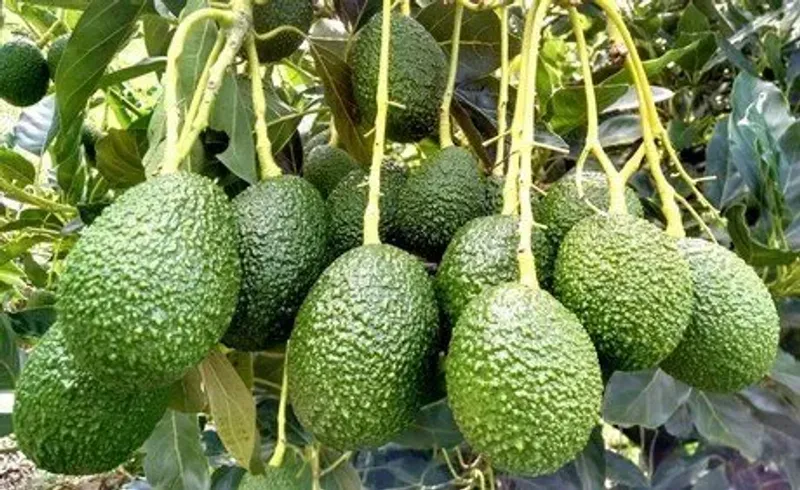





Farmers, exporters, processors and government officials have called for stronger coordination, improved quality standards and better market organization to unlock the full potential of Uganda's growing avocado industry.
The call was made during a stakeholder engagement held at Imperial Royale Hotel in Kampala, where key players in the avocado value chain discussed opportunities and challenges affecting production, exports and investment in the sector.
Representing the Head of the State House Investors Protection Unit (SHIPU), Col. Edith Nakalema, Mr. Stephen Kaheru said stakeholders share a common goal of transforming the avocado value chain into a driver of economic growth and improved rural livelihoods.
“We are gathered here because we share a common vision of transforming the avocado value chain into a vehicle that catalyzes economic growth and improves rural livelihoods,” Kaheru said.
He noted that the engagement was intended to address barriers that continue to limit farmers, exporters and investors from fully benefiting from the sector's potential.
Kaheru emphasized that collaboration among government ministries, departments, agencies and private-sector players would be critical in delivering sustainable results across the value chain.
The Commissioner of External Trade, Mr. Cleopas Ndorere, representing the Permanent Secretary of the Ministry of Trade, Industry and Cooperatives, Ms. Lynette Bagonza, said government was committed to supporting the growth of the avocado industry.
Ndorere said the meeting was an opportunity to listen to farmers and other stakeholders and ensure future interventions respond to challenges affecting production, quality standards, value addition and market access.
At the Ministry of Agriculture, Animal Industry and Fisheries (MAAIF), representatives reaffirmed government's commitment to working with farmers, exporters and processors to improve production systems and strengthen market opportunities.
The Board Chairperson of the Uganda Agribusiness Alliance (UAA), Ms. Victoria Sekitoleko, said the avocado industry had progressed significantly from its early stages but required stronger coordination and a deliberate strategy to sustain growth.
“Avocado is a new crop, so we are going to need new policies and a strategy for avocado,” she said.
Sekitoleko also urged government agencies responsible for cooperatives, industry, standards and export promotion to play a more active role in supporting the sector.
Mr. Francis Kasirinya of the Uganda Agribusiness Alliance stressed that Uganda must improve its competitiveness in the global avocado market by focusing on quality, pricing and trust.
“Nobody buys from you out of sympathy. You must meet the requirements of quality, price, and trust,” Kasirinya said.
He warned that poor market organization could negatively affect farmers, exporters and Uganda's reputation in international markets.
Agribusiness entrepreneur and Avotein Farms Limited Chief Executive Officer, Mr. Hank Dahlan, said Uganda remained a relatively small player compared to leading avocado-exporting countries despite having favourable climatic conditions.
“We haven’t started, literally. If you compare us with the largest exporters in the world, we are still very small,” Dahlan said.
He called for greater focus on understanding export market requirements, improving quality standards and strengthening farmer organization to enhance competitiveness.
Meanwhile, National Avocado Federation of Uganda founder Mr. Richard Welisha urged caution regarding proposed regulations affecting avocado trade, saying farmers' interests should remain at the centre of any policy decisions.
Welisha said many farmers were concerned about reported proposals that could restrict certain buyers, particularly Kenyan buyers, from purchasing avocado produce in Uganda.
He questioned whether local buyers were offering prices comparable to those provided by external buyers and argued that competition had contributed to better returns for farmers.
Welisha also expressed concern over proposals requiring buyers to purchase produce through designated buying centres, cooperatives or local market dealers, warning that regulations should not disadvantage farmers.
Despite differing views on regulation, he emphasized the need for cooperation among farmers, investors, exporters and government institutions to ensure sustainable sector growth.
Avocado farmer Ms. Katushabe Harriet Matsiko from Ntungamo District shared her experience in the industry, explaining that she entered avocado farming during the COVID-19 period and now manages 60 acres of avocado production.
Matsiko called on farmers to prioritize production and appealed for government support in standardizing agricultural chemicals used to control pests and diseases.
She also highlighted the need for increased investment in irrigation systems, saying water shortages continue to affect productivity and fruit quality.
The meeting concluded with stakeholders reaffirming their commitment to strengthening Uganda's avocado value chain through improved coordination, quality production, value addition and expanded access to domestic and international markets.






The Sunrise Editor
Leave a Comment
Your email address will not be published.