




Uganda's total public debt stood at USD 34.86 billion (approximately Shs 126.19 trillion) as of December 2025, according to figures released by the Ministry of Finance, Planning and Economic Development.
The ministry reported that Uganda's debt portfolio comprised USD 15.84 billion in external debt and USD 19.02 billion in domestic debt, resulting in a debt-to-GDP ratio of approximately 53 percent.
As discussions continue following the national budget presentation, the government has emphasized that borrowed funds have been directed toward strategic investments aimed at expanding the country's productive capacity and supporting long-term economic growth.
According to the Ministry of Finance, the largest share of borrowed resources over the past decade has been invested in integrated transport infrastructure, which accounted for 31.1 percent of total debt-financed investments. These investments include major road and transport projects intended to improve connectivity and facilitate trade.
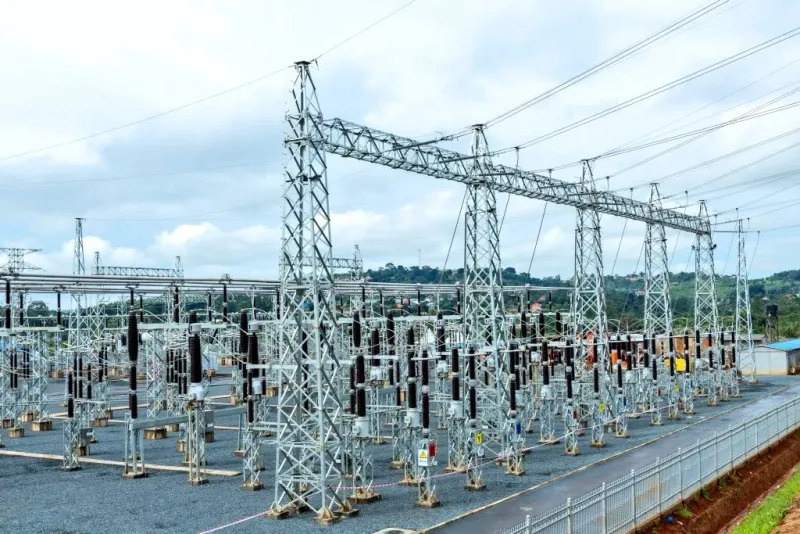
The electricity sector received 19.3 percent of debt-funded investments, reflecting government efforts to expand access to power and strengthen energy infrastructure. Meanwhile, water infrastructure accounted for 10.3 percent, supporting projects designed to improve water access and service delivery.
The government also allocated 9.2 percent of borrowed funds to agro-industrialisation, a key pillar of Uganda's development agenda aimed at adding value to agricultural production and creating employment opportunities.
Investments in education and health infrastructure represented 7.7 percent of total debt-financed spending, while housing and urban development received 6.3 percent.
The Ministry of Finance further noted that industrial parks and industrial development accounted for 2.0 percent of the investments financed through borrowing.
Additionally, 7.0 percent of borrowed funds supported other strategic initiatives, including the expansion of the national internet backbone infrastructure, science, technology and innovation programs, and regional development projects.
The ministry maintains that Uganda's public debt remains sustainable and is projected to continue on a sustainable path over the medium and long term. Government officials have called for informed public discussions that focus not only on the level of borrowing but also on how the borrowed resources have been utilized to support national development.
The debt figures and investment breakdown were released by the Ministry of Finance as part of ongoing post-budget engagement and public information efforts.





Marlene Luwedde
Leave a Comment
Your email address will not be published.