
The Ugandan government has started a rehabilitation and reintegration programme for citizens who recently returned from South Africa after unrest and xenophobic attacks targeting foreign nationals.
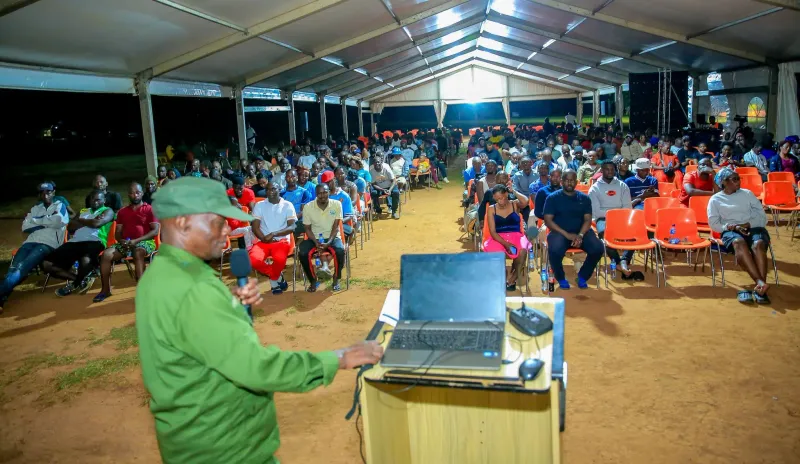
The programme, taking place at the National Leadership Institute (NALI) in Kyankwanzi, is providing psychological support and counselling to help returnees recover from traumatic experiences before they rejoin their families and communities.
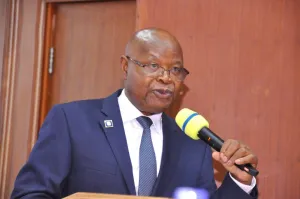
Speaking during one of the rehabilitation sessions, Makerere University professor Peter Baguma encouraged the returnees to remain optimistic despite the hardships they experienced.
He explained that trauma-related mental health challenges can be effectively addressed through professional psychological support and counselling, noting that treatment does not always require medication.
"It is good that you came back home. We are going to work together to address your psychological challenges and mental health concerns so that you can reintegrate into your communities and contribute positively to the development of our country," Baguma said.
Many of the returnees lost businesses, jobs, homes and other sources of income during the unrest. The rehabilitation programme is designed to help them cope with these experiences, rebuild confidence and prepare for successful reintegration.
The participants were also officially welcomed home by the Commissioner National Secretariat for Patriotism Corp (NSPC) Hellen Seku, who conveyed greetings from President Yoweri Museveni and reaffirmed the Government of Uganda’s commitment to supporting their successful reintegration. She encouraged the returnees to remain hopeful and take advantage of the various government programmes available to help them rebuild their lives.
The rehabilitation programme also includes livelihood training under the Parish Development Model (PDM).
Julius Kapwepwe, Technical Advisor at the PDM Secretariat, encouraged the returnees to take advantage of government programmes by registering through their Parish Chiefs or LC II leaders and joining PDM SACCOs.
He urged them to embrace agriculture and modern farming practices such as the four-acre model and zero grazing while investing in value addition to improve profitability and household incomes.
Kapwepwe also encouraged the participants to work together in groups and remain innovative, saying the Parish Development Model provides a sustainable pathway to self-reliance and economic transformation.
Addressing the participants during the ideological orientation, Director Political Commissariat of the Land Forces, Col. Benon Asaba, welcomed the returnees back home and acknowledged the hardships they endured during the xenophobic attacks.
"Do not allow the South African experience to become a permanent stigma in your life. Instead, use it as a lesson and an opportunity to begin afresh," Col. Asaba advised.
He said Uganda should continue promoting unity and rejecting discrimination based on tribe, religion, culture, education or social status, warning that such divisions can fuel hatred and conflict.
"As Ugandans, we must never allow sectarianism to divide us. We should appreciate our diversity and treat every citizen equally," he said.
Col. Asaba also reminded the participants that they should regard themselves as returnees rather than deportees.
According to Uganda's Ambassador to South Africa, Paul Amoru, the latest evacuation brought the total number of Ugandans repatriated under the government programme to 730.
Officials have indicated that more evacuation flights are expected, with another group of Ugandan nationals anticipated to return next week.
The rehabilitation and reintegration initiative forms part of the government's support package for citizens evacuated from South Africa following the recent violence that affected foreign nationals aimed at restoring hope, dignity and a fresh start.

Phillip Baraka
Leave a Comment
Your email address will not be published.