


News
Ahead of the Outbreak: How KOFIH Helped Uganda Turn Diagnostic Speed into a Line of Defense Against Ebola
Strengthening Uganda's Health System to Prevent, Detect and Respond to Infectious Diseases-a USD 8 million partnership between the Ministry of Health and the Korea Foundation for International Healthcare (KOFIH), Government of the Republic of Korea
When Ebola strikes, the deadliest gap is not always the one you can see. It is the silent wait-the hours between a health worker drawing blood from a feverish patient and the moment a laboratory can say, with certainty, whether the virus is present. Every hour inside that gap is an hour the virus can move: to another bed, another household, another district. Uganda has lived inside that gap before. This is the story of how-thanks to support that arrived before the crisis, not after-the country learned to close it.
Investing Before the Storm: Preparedness by Design
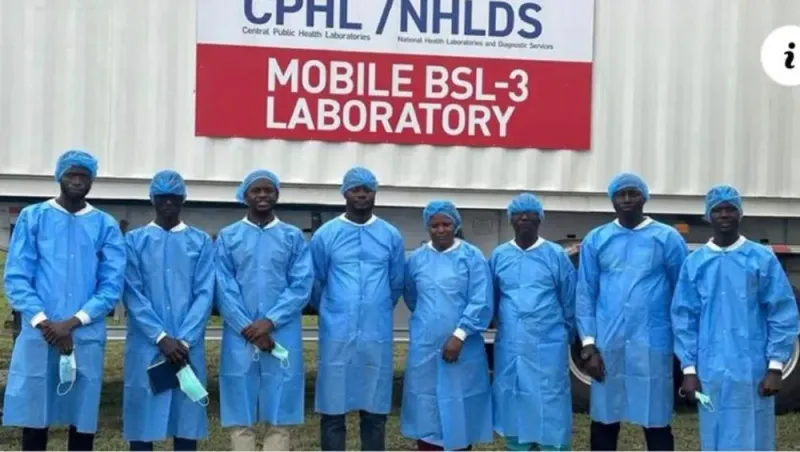
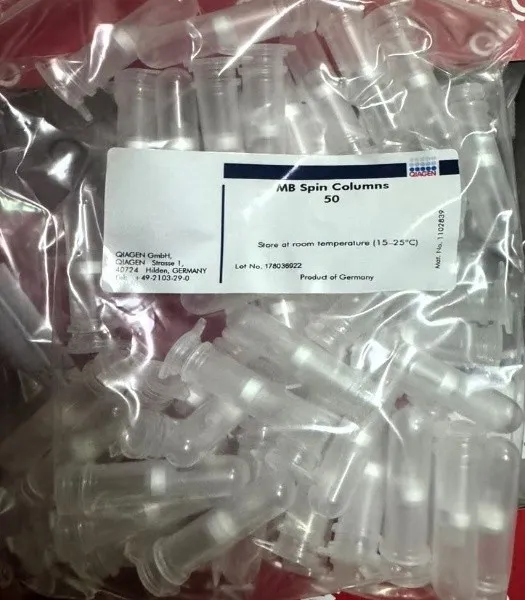
Uganda knows the cost of Ebola intimately. The country has weathered recurrent outbreaks of the Sudan and Bundibugyo strains, including the 2022-23 Sudan Ebola outbreak that infected 142 people and claimed 55 lives. Each outbreak has carried the same hard lesson: in a viral haemorrhagic fever emergency, the response is only as fast as the laboratory behind it. What set the most recent chapter apart was timing. Well before the 2025 outbreak reached Kampala, the Government of the Republic of Korea, through KOFIH, had already read the risk and acted. The USD 8 million project, ‘Strengthening Uganda’s Health System to Prevent, Detect and Respond to Infectious Diseases,’ has run continuously since 2022 in partnership with the Ministry of Health; principally the National Health Laboratory and Diagnostic Services (NHLDS/CPHL) and the Integrated Epidemiology, Surveillance & Public Health Emergencies Department (IES & PHE). By the time the virus arrived, the investment was not a promise on paper. It was already at work on the laboratory bench.
This is preparedness by design rather than reaction by default and it maps directly onto the World Health Organization’s building blocks of a resilient health system.
Built to Last: Accreditation and Real-Time Intelligence
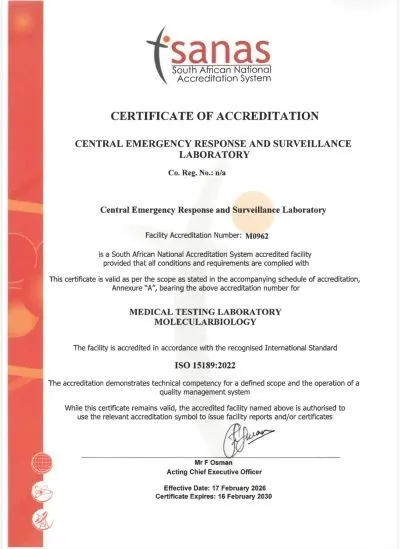
The most durable gains are the ones built into the system itself. A defining milestone was the accreditation of CERSL, Uganda’s national reference laboratory for epidemic-prone diseases. Accreditation is far more than a certificate on a wall-it is a promise. When a result reads ‘positive’ or ‘negative’ for Ebola, health workers, policymakers, and international partners can act on it without hesitation.
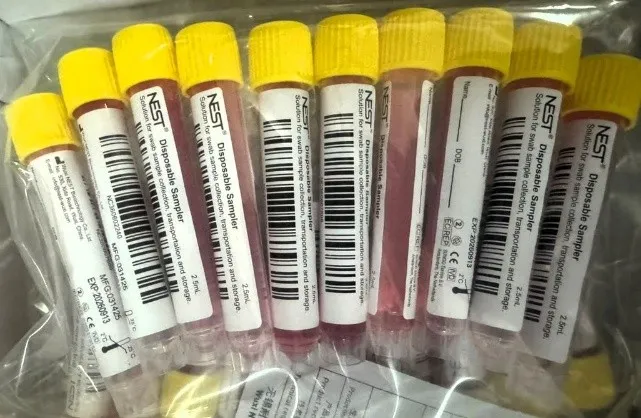
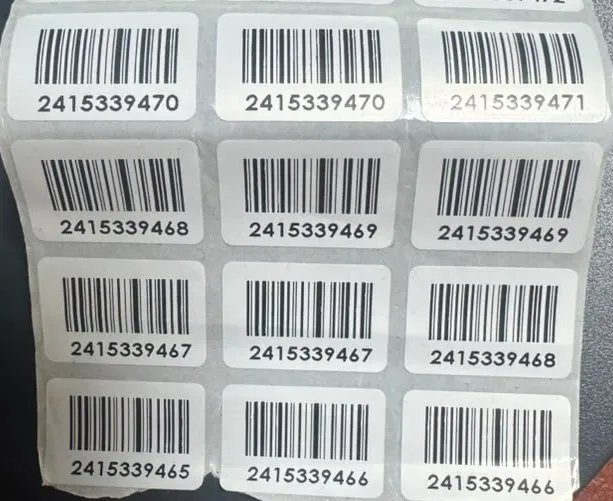
The project also brought outbreak data into real time. The LabXpert Laboratory Information Management System (LIMS) was expanded to manage data for Mpox, Ebola, and other viral haemorrhagic fevers, giving surveillance, laboratory, and emergency teams a single, live picture of an unfolding outbreak. A new barcode-based sample tracking system, paired with strengthened specimen transport, now lets every sample be traced from the collection site to the reference bench-cutting loss, misidentification, and delay to a minimum. Together, accreditation and digital intelligence turned once-scattered efforts into one coordinated system; where evidence now moves as fast as the virus it is chasing.
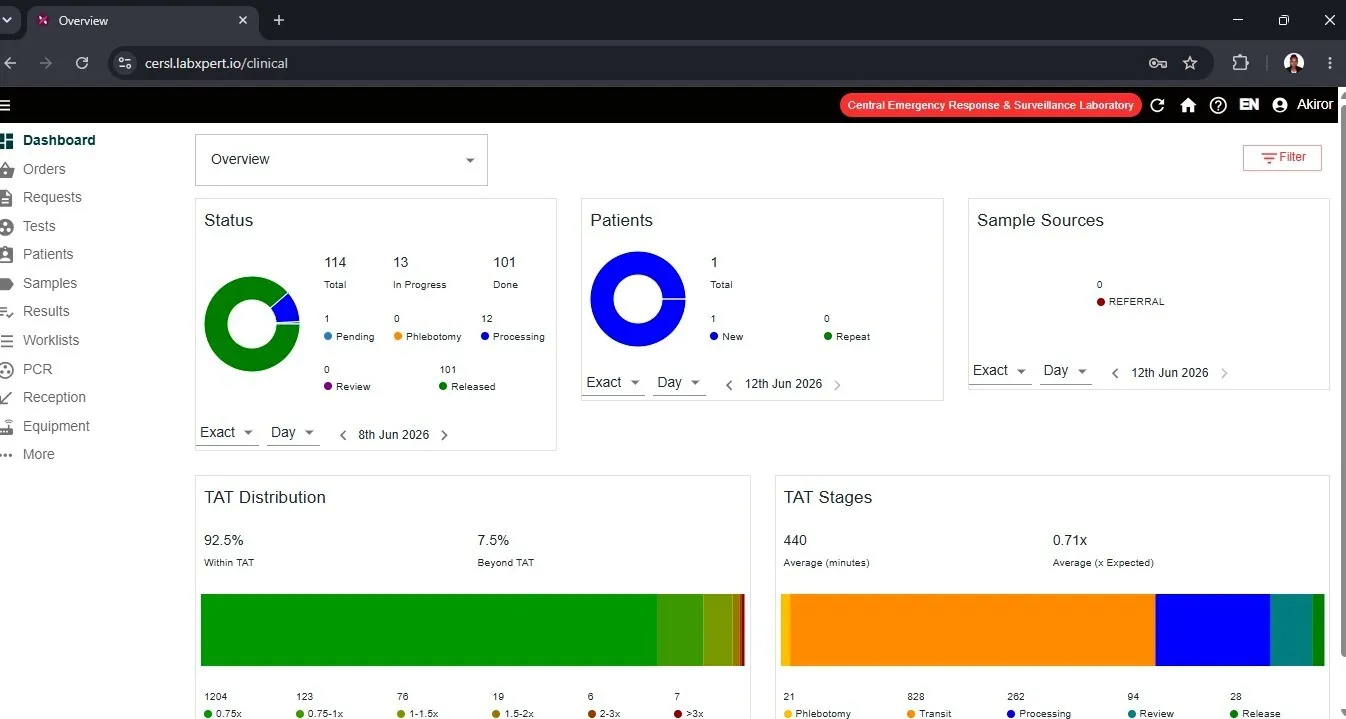
When It Counted: The 2025 Outbreak
A laboratory’s true value is measured far beyond its walls. When results are fast and trusted, contact tracing starts sooner, treatment begins earlier, and communities are spared the agony of not knowing.
That value was proven in early 2025. When a 32-year-old nurse died in Kampala, post-mortem samples were confirmed positive for Sudan virus at national reference laboratories-the very facilities the partnership had spent three years strengthening. The Ministry of Health declared the outbreak on 30 January 2025 and moved fast. Rapid, reliable diagnostics underpinned aggressive contact tracing and case management, and the outbreak was held to a single transmission chain: 14 cases and 4 deaths, with 10 patients recovering. On 26 April 2025, after 42 days without a new case, Uganda declared the outbreak over-a far cry from the 142 cases of just two years earlier. The same systems now stand ready for Marburg, Mpox, and whatever threat comes next.
Impact at a Glance
75% Faster Sample turnaround time cut from 12 days to just 3 days over three years | 14 Cases The 2025 Sudan Ebola outbreak held to one transmission chain-down from 142 cases in 2022–23 |
Accredited CERSL confirmed as Uganda’s internationally accredited reference laboratory for epidemic-prone diseases | USD 8M Sustained KOFIH investment since 2022-in place and working before the outbreak, not after |
A Position of Strength
Through steady investment in financing, laboratory technology, digital surveillance, biosafety, and a skilled workforce, the KOFIH partnership has done more than upgrade equipment-it has moved Uganda from reacting to outbreaks to staying ahead of them. The gap that once cost the country days now costs it hours. That is the quiet power of timely support: it does its most important work before the emergency arrives, so that when the emergency comes, the country meets it from a position of strength.
This is what the partnership leaves behind; not a single machine or a one-off training, but a laboratory system that no longer waits for an outbreak to act, and a real, measurable contribution to health security across the region and beyond. When every hour counts, Uganda’s laboratories now stand among its strongest defenses.
 |

With gratitude to the Korea Foundation for International Healthcare (KOFIH), the Government of the Republic of Korea, and Uganda’s Ministry of Health for a shared commitment to building a healthier, safer Uganda-one sample, one result, one life at a time.
Authors
Mr. Festo Wedenga, NHLDS/CPHL–MoH ID Project Assistant
Editorial Team
Ms. Ruth Kaliisa, Project Manager
KOFIH PR






Sunrise reporter
Leave a Comment
Your email address will not be published.