


King Oyo Nyimba Kabamba Iguru Rukidi IV of the Tooro Kingdom was laid to rest on Saturday, September 12, 2026, at the Karambi Royal Tombs in western Uganda, bringing his official funeral ceremonies to a close amid a dispute over who should succeed him.
The burial followed an emotional church service at St John’s Cathedral in Fort Portal, where mourners, royal representatives and national leaders gathered to pay tribute to the late monarch, who died at the age of 34 after receiving cancer treatment in the United States.
Oyo, who became king at the age of three in 1995, was remembered for his long service to the Tooro Kingdom, his cultural role and his public advocacy, including work associated with the fight against HIV and AIDS.
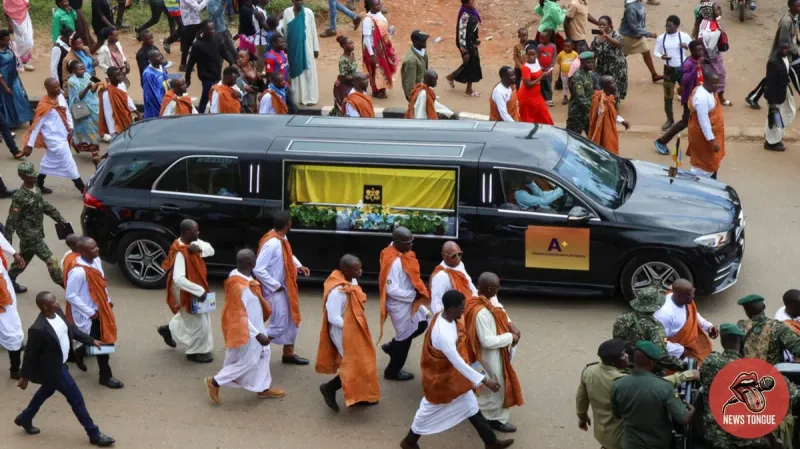
The late king’s funeral programme included a service at St John’s Cathedral, followed by a procession from the cathedral to the Karambi Royal Tombs, where generations of Tooro monarchs are buried.
Royal guards escorted the hearse carrying Oyo’s coffin through Fort Portal, while thousands of mourners gathered along the route to honour the former child monarch.
The burial took place on the 31st anniversary of Oyo’s accession to the Tooro throne. He was crowned in 1995 following the death of his father, King Patrick David Matthew Kaboyo Olimi III.
At the time of his accession, Oyo became internationally known as one of the world’s youngest monarchs. His reign continued for more than three decades, during which he grew from a child king into a prominent cultural figure in Uganda.
The Archbishop of the Church of Uganda, Stephen Samuel Kaziimba Mugalu, appealed for unity during the funeral service as the royal family and the Babiito clan remained divided over the succession.
The Archbishop warned mourners against allowing grief to fuel further divisions.
“Words spoken in grief can cause pain, division and conflict,” he said.
He added that such words could damage the legacy of the king being mourned.
The Archbishop’s message came as the kingdom faced disagreement between the royal clan’s succession decision and claims from members of King Oyo’s immediate family.
During the funeral service, Princess Ruth Komuntale, the late king’s sister, paid tribute to Oyo’s character and the responsibilities he carried from childhood.
She described him as a reserved but joyful person who retained his love of fun despite the demands of kingship.
“Although he became king and carried responsibilities far beyond what most people ever experience, he never completely lost the young boy who loved to have fun,” Ruth said.
Her tribute reflected the personal side of a monarch who assumed the throne as a young child and spent most of his life under public attention.
Oyo was also remembered for his role in promoting cultural identity and for his involvement in health advocacy. He served as a United Nations goodwill ambassador associated with efforts to fight HIV and AIDS.
The burial took place against the backdrop of a dispute over the future leadership of the Tooro Kingdom.
On Wednesday, September 9, a committee of elders from the Babiito royal clan announced that it had selected Prince Edward Rukidi Kijanangoma, a cousin of the late king, as Oyo’s successor.
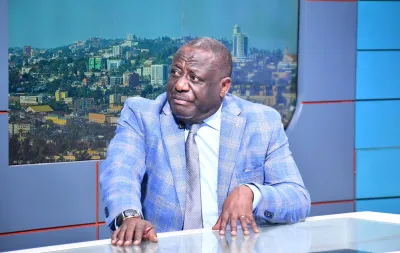
Kijanangoma, 56, is a journalist, news anchor and editor associated with Uganda Broadcasting Corporation, the state broadcaster.
The decision was welcomed by traditionalist supporters who favour an adult successor. However, it was challenged by members of Oyo’s immediate family.
Queen Mother Best Kemigisa and Princess Ruth Komuntale have argued that a reported will left by the late king named his biological son as the intended heir.
The child’s identity has not been publicly disclosed. Reports have also indicated that questions remain over whether the alleged heir was formally presented to the relevant royal elders during Oyo’s lifetime.
The competing positions have created uncertainty over the customary and legal process for determining the kingdom’s next monarch.
During the burial ceremony, Kijanangoma participated in traditional rites associated with the transition of leadership. He cast nine coffee berries into King Oyo’s grave. The act recalled a traditional ritual associated with Tooro royal succession and the introduction of a new ruler.
The ceremony marked an important moment in the kingdom’s leadership transition, even as disagreement remained over the claims advanced by Oyo’s immediate family.
The precise legal status of the succession process and whether further court proceedings will be necessary remain matters of public interest.
King Oyo’s life was closely connected to the history and public identity of the Tooro Kingdom.
He ascended the throne in 1995 at the age of three after the death of his father. His coronation and childhood reign attracted international attention, and he remained a recognisable figure in Uganda throughout his life.
In addition to his cultural responsibilities, Oyo took part in public initiatives involving health, youth and environmental concerns. He also developed relationships with prominent international figures during his reign.
His death on August 27, 2026, in the United States, where he had been receiving treatment for cancer, prompted mourning in Tooro and across Uganda.
The funeral at Karambi Royal Tombs now stands as a major moment in the kingdom’s history. However, the question of who will ultimately lead Tooro remains unresolved amid the competing succession claims.
The next phase of the Tooro Kingdom’s history will depend on how the royal clan, the late king’s family and the relevant authorities address the dispute while preserving the cultural institution’s unity and traditions.


Sunrise reporter
Leave a Comment
Your email address will not be published.