
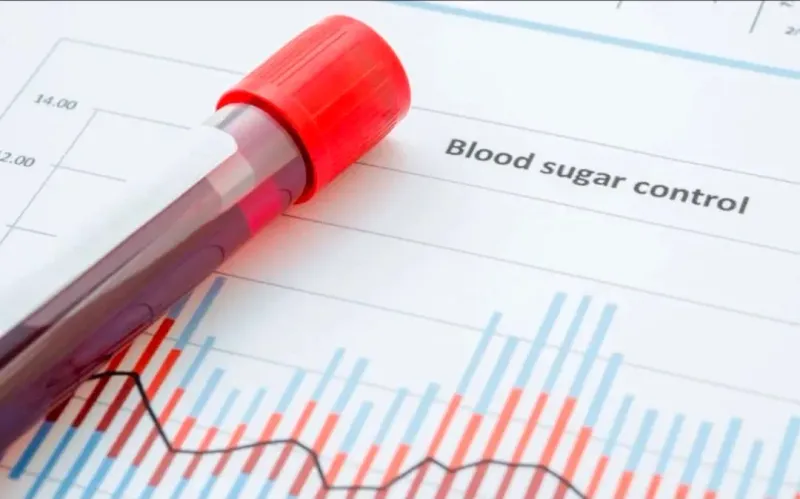




Health experts are raising concern that many lean and non-obese Ugandans are not seeking diabetes screening, despite government programs to raise awareness of Non-Communicable Diseases (NCDs). Misconceptions that diabetes primarily affects overweight individuals have created a dangerous blind spot, leaving many lean adults undiagnosed. Data from Uganda’s 2023 STEPS Survey reveals that 86.7% of adults had never measured their blood glucose and 97.6% had never measured cholesterol, while nearly half of adults with elevated blood sugar were unaware they had diabetes.
Dr Kauthrah Ntabadde, an epidemiologist focusing on population cardiometabolic health in African populations, explained: “Diabetes is not a single uniform disease. It develops through different pathways and can present in different ways. We are seeing a growing number of people with diabetes who are lean or non-obese, yet many of our approaches to finding them are still based on assumptions that no longer match reality. That creates a massive blind spot.”
Changing Diabetes Patterns in Uganda
Recent observations during International Diabetes Day indicate that diabetes is no longer following traditional patterns. Experts from Uganda and the World Health Organization note rising cases in lean adults, increases in gestational diabetes, and earlier onset in younger populations.
Early last year, the International Diabetes Federation (IDF) formed a working group to develop criteria for Type 5 diabetes, linked to chronic undernutrition and disproportionately affecting lean young adults in low- and middle-income countries. “Recognition of Type 5 diabetes does not mean most diabetes in Uganda falls into this category,” said Dr Ntabadde. “But it reinforces the broader point that body size alone is not a reliable gatekeeper for testing.”
Low Screening Rates Across All Body Types
The STEPS Survey shows significant gaps in screening across the population. Nearly half of adults with high blood sugar were unaware they had diabetes, highlighting the urgent need for broader testing. Dr Ntabadde cited several barriers: prioritization of visibly sick, older, or overweight individuals, and limitations of the diagnostic tools themselves. “One commonly used test HbA1c estimates average blood sugar levels over time and is often favored because it does not require fasting. But because it relies on blood characteristics, its accuracy can be affected by anemia and other blood disorders conditions that are widespread in Uganda.”
Challenges and Alternatives in Diabetes Testing
The oral glucose tolerance test (OGTT) remains the gold standard for diagnosing diabetes but is rarely used outside pregnancy care due to fasting requirements, multiple blood draws, and low public awareness.
The IDF recommends the one-hour post-load glucose test as a simpler alternative. However, a 2024 study co-authored by Dr Ntabadde found that while it works well for individuals with obesity, it misses many cases in lean adults, with sensitivity dropping to 58%. “Late diagnosis doesn’t happen by accident,” Dr Ntabadde said. “It reflects a series of gaps along the way: limited awareness that keeps people from seeking care even when they feel well, missed screening opportunities, and limitations of some of the tests we rely on.”
Public Health Takeaways
Experts emphasize that being thin does not guarantee safety from diabetes. Screening and early detection are critical for all adults, regardless of body size. Individuals are encouraged to consult qualified healthcare professionals for assessment and to remain informed about available testing options.






The Sunrise Editor
Leave a Comment
Your email address will not be published.