




Health
Uganda Hosts African Health Sovereignty Meeting as Countries Push for Domestic Health Financing
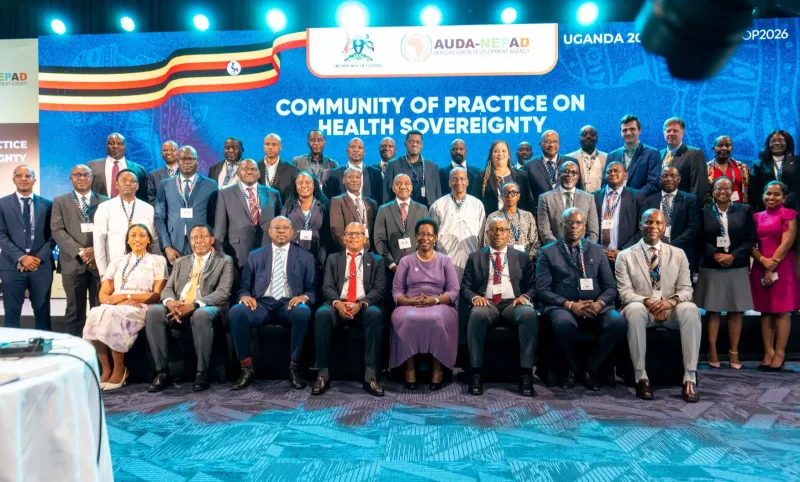
Uganda has co-hosted a three-day convening bringing together Ministries of Health and Finance from eight African countries to launch the inaugural Community of Practice on health sovereignty, a platform aimed at strengthening country-owned and resilient health systems across the continent.
The meeting, taking place from March 23 to 25 in Kampala, is being organized in collaboration with the African Union Development Agency (AUDA-NEPAD) and is supported by Georgetown University.
Participating countries include Senegal, Kenya, Eswatini, Mozambique, Zambia, Tanzania, Botswana and South Africa.
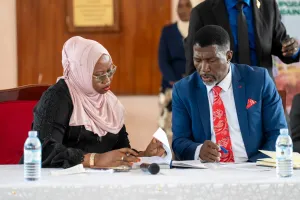
Speaking at the opening session, Permanent Secretary Dr. Diana Atwine emphasized the intentional nature of the gathering, stating that “we are not here by chance, we are here by design.” She highlighted the role of health services as both a socioeconomic necessity and a driver of national transformation.
The convening aims to foster collaboration between finance and health ministries, creating a shared platform to address challenges, develop common understanding, and design practical, country-led solutions.
Linton Mchunu, Advisor to the CEO of AUDA-NEPAD, described the initiative as an opportunity for countries to jointly unpack challenges and develop actionable strategies, warning that “the cost of inaction is always higher than action.”
Deus Bazira, Director at Georgetown University’s Global Health Institute, underscored the importance of maintaining competence in implementation, cautioning against compromising quality for speed.
In a follow-up communication, Uganda’s Ministry of Health said the initiative comes amid shifts in global funding landscapes, noting that many countries have continued to sustain health services despite changing external support.
The ministry stressed the need to scale up domestic financing and better align national health priorities with broader socioeconomic development agendas.
Uganda also called for a shift away from fragmented approaches toward more coordinated and efficient systems, with a focus on maximizing value for money.
Key proposals highlighted include pooled procurement of medical supplies, strengthening local manufacturing capacity, and increasing collaboration among African countries. The ministry emphasized the importance of building self-reliant systems capable of withstanding fluctuations in external financing.
The Community of Practice is expected to serve as a platform for continued cooperation, with participating countries working collectively to advance sustainable health systems across the region.






Sunrise reporter
Leave a Comment
Your email address will not be published.