
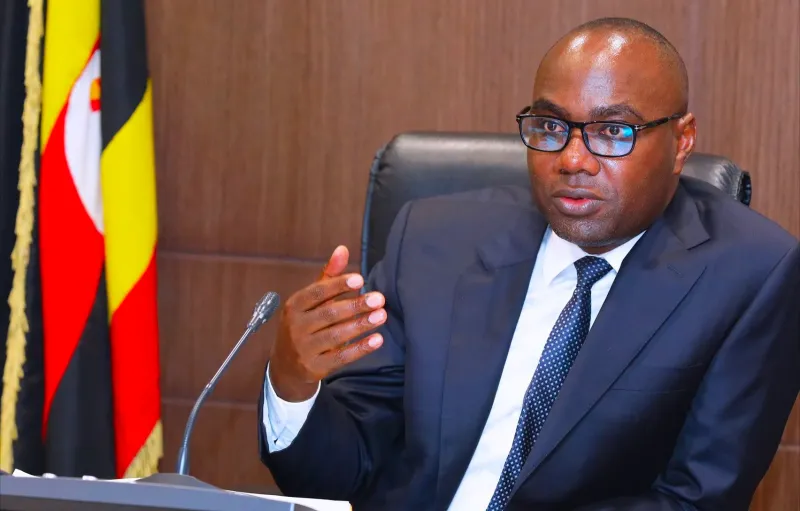



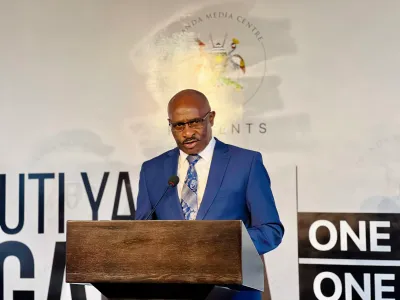
Finance Minister Henry Musasizi has committed to reviewing tax and licensing concerns raised by hotel owners as Government seeks to reduce the cost of doing business and strengthen Uganda’s competitiveness as a tourism and Meetings, Incentives, Conferences and Exhibitions (MICE) destination.
The commitment followed a dialogue between Musasizi and the Uganda Hotel Owners Association, led by its Chairperson, Susan Muhwezi, where industry representatives called for a simpler, fairer and more predictable tax and regulatory framework.
Hotel owners reaffirmed their commitment to fulfilling their tax obligations but said multiple taxes and licences, inconsistent treatment of Value Added Tax (VAT) exemptions and high compliance costs continue to constrain investment and the formalisation of businesses in the hospitality industry.
Responding to the concerns, Musasizi pledged to review the outstanding tax issues and work with relevant government agencies to harmonise requirements, eliminate duplication and improve predictability in tax administration.
He emphasised the need for an efficient tax system that encourages compliance, attracts investment and supports business growth rather than creating unnecessary operational difficulties for businesses.
The Minister also committed to working with relevant government institutions to prioritise critical tourism infrastructure, particularly access roads, reliable electricity, water supply and digital connectivity.
These improvements are expected to help reduce hotel operating costs, improve access to tourist attractions and strengthen Uganda's ability to attract international visitors and host major conferences and business events.
Uganda Hotel Owners Association Chairperson Susan Muhwezi welcomed the engagement, describing improved infrastructure and investment in hospitality skills as important factors in developing a more competitive tourism industry.
She called for stronger investment in hospitality training programmes to address skills gaps and improve service delivery across the sector.
Muhwezi noted that better infrastructure would not only lower operational expenses for hotel businesses but also improve accessibility to tourism destinations and enhance Uganda's capacity to host international conferences.
The discussions come amid continued calls from Uganda's hospitality industry for reforms to ease the tax burden and create a more supportive investment environment.
In July 2026, the Uganda Hotel Owners Association reiterated that although hotel operators were willing to pay taxes, the numerous taxes, statutory contributions and operating licences increased the cost of doing business and made tax compliance more complicated. The association called for greater harmonisation of the tax system.
Uganda has also introduced tax incentives targeting large investments in hotels and other high-end tourism facilities as part of broader efforts to attract investment into the sector. However, hotel owners continue to emphasise that simplifying taxes and licensing requirements is equally important for businesses across the industry.
The latest engagement signals continued cooperation between Government and private hospitality players to address operational challenges and unlock the tourism sector's investment potential.
The meeting was also attended by Acting Director of Economic Affairs Moses Kaggwa, Diana Nanono, Head of the Private Sector Development Unit, and officials from the Ministry of Tourism, Wildlife and Antiquities.




Linda Munyana
Leave a Comment
Your email address will not be published.