


The Government of Uganda has reaffirmed its commitment to enforcing trade order across cities and municipalities, emphasizing the need for traders to operate within designated and lawful spaces while maintaining public safety and urban organization.
In a statement shared via official government communication channels, authorities stressed that “Government’s directive is clear: restore order in our cities and municipalities while ensuring traders operate in safe, designated and lawful spaces.” The message further underscored that “No Ugandan should earn a living in unsafe drainage channels, road reserves or congested walkways,” highlighting ongoing concerns about safety and congestion in urban trading areas.
The renewed push follows a press release issued by the Ministry of Local Government dated April 28, 2026, which detailed the implementation of trade order guidelines initially circulated on March 10, 2026. The directive, sent to Chief Administrative Officers and Town Clerks, outlines measures aimed at restoring an orderly business environment across local governments.
Among the key actions required is the relocation of traders operating on streets, walkways, pavements, verandas, backstreets, and sanitary lanes into formal and designated trading spaces. The guidelines also call for improved sanitation practices, including a strict ban on cooking and selling food, such as fruits, on sewer lines and drainage channels.
Local governments have further been instructed to strengthen waste management systems, ensure regular cleaning of markets, improve street lighting, and enforce licensing requirements under the Trade (Licensing) Act. Additionally, authorities are tasked with regulating public transport operations, removing outdated campaign posters, and ensuring that all developments comply with existing planning and building laws.
During the Cabinet meeting held on April 27, 2026, the government resolved that implementation of the trade order should proceed as planned. As part of strengthening the policy, officials announced plans to intensify community sensitisation efforts to ensure public understanding and cooperation.
The Ministry also revealed plans to establish an interministerial task force that will work alongside stakeholders, including traders, vendors, and religious institutions, to support effective implementation. Authorities say efforts are underway to identify and allocate alternative trading spaces for individuals who have not yet been accommodated in formal markets or designated areas.
In addition, local governments are being encouraged to introduce weekly market days in convenient locations to provide further opportunities for traders.
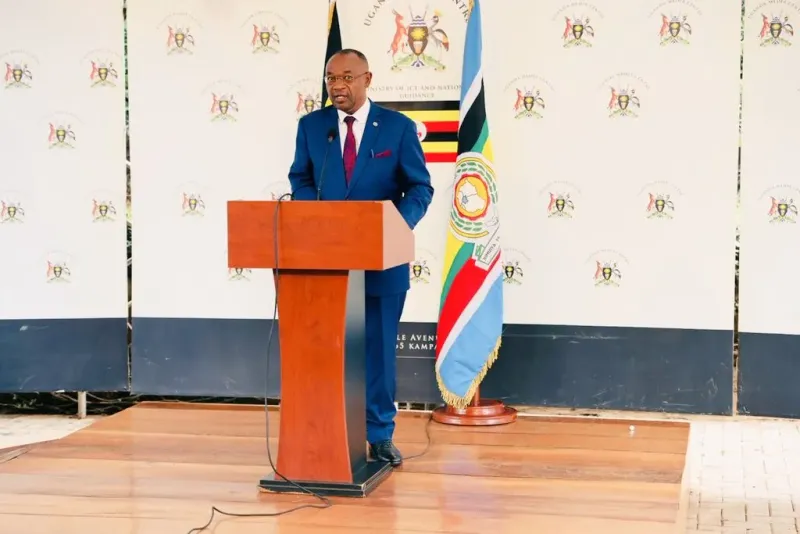
Minister of Local Government Raphael Magyezi urged compliance with the directive, stating that all Ugandans should cooperate with local authorities and that no trader is expected to return to unauthorized trading spaces. He emphasized the broader goal of creating organized, clean, healthy, and safe urban environments.
Minister for Kampala city & Metropolitan Affairs, Hajjat Minsa Kabanda said that Kampala Capital City would continue enforcing the trade order, warning that anyone attempting to disrupt it or related activities would be dealt with accordingly.
In a separate communication, Magyezi noted that Cabinet had approved the continued rollout of the policy, reaffirming government commitment to “orderly, structured & sustainable trade,” with a focus on community sensitization and inclusive stakeholder engagement.
The government maintains that the trade order initiative is intended to balance the need for organized urban spaces with the protection of livelihoods, as implementation continues across the country.




Sunrise reporter
Leave a Comment
Your email address will not be published.