
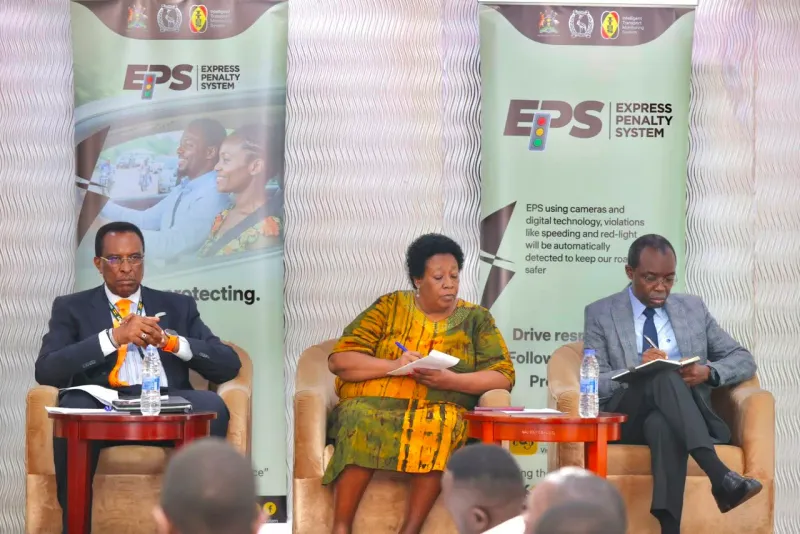

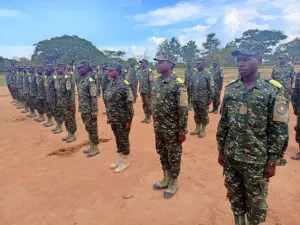

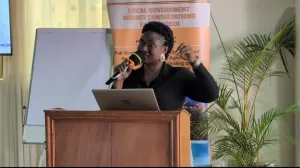

Stakeholders in Uganda have convened a multi-stakeholder workshop to discuss measures aimed at improving school transport safety and protecting learners travelling to and from school.
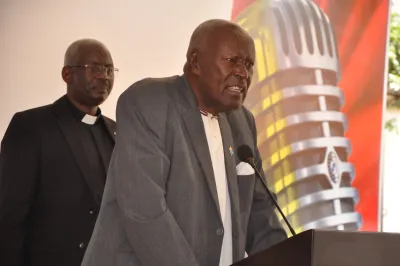
The workshop was convened by the Intelligent Transport Monitoring System Uganda, the Ministry of Works and Transport, Ministry and Education and Sports, the Uganda Professional Drivers' Network, Uganda Police Force, and other stakeholders under the theme "Safe Tours for a Safe Future: Making School Travel Safe Again."
The discussions focused on developing collaborative solutions to improve school travel safety through stronger enforcement, safer transport systems and shared responsibility among government agencies, transport operators, schools, parents and road users.
The workshop is addressing immediate and long-term interventions, including driver vetting, compliance, vehicle identification, road safety awareness and the role of technology in improving school transport safety.
Winstone Katushabe, Commissioner for Transport Regulation and Safety and Chief Licensing Officer of Motor Vehicles, said unroadworthy vehicles, overcrowding and the lack of basic safety features continue to put schoolchildren at risk on Uganda's roads.
He said every child deserves a safe journey to and from school, adding that school transport should be a bridge to education rather than a daily risk for learners.
Katushabe identified speeding, reckless overtaking, distracted driving and unqualified drivers as some of the major threats facing children travelling to and from school.
To improve compliance, Katushabe said smart enforcement using speed cameras and Automatic Number Plate Recognition (ANPR) technology could help identify traffic offenders and improve safety around school transport.
He also proposed safer school zones with designated pick-up and drop-off bays, pedestrian crossings, speed humps and a mandatory 30 km/h speed limit to protect children.
The Commissioner said school transport drivers should undergo specialised certification, defensive driving training and regular background checks before being entrusted with learners' lives.
He further called for every vehicle transporting learners to undergo bi-annual safety inspections, with non-compliant vehicles removed from the road until they meet safety requirements.
Traffic Police Spokesperson SP Michael Kananura said improving road safety requires more than enforcing traffic laws, stressing the importance of responsible behaviour among all road users.
Kananura said parents and schools should teach children how to use roads safely while empowering them to become road safety ambassadors who can influence their peers.
He also said electronic enforcement and other technologies can help detect speeding, monitor dangerous driving and strengthen road safety by complementing physical traffic enforcement.
Kananura also called for proactive action to prevent road tragedies, urging schools to make road safety education part of their responsibility.
He said parents, transport operators and the Police all have important roles to play in promoting safer school travel and protecting learners on the roads.
He added that road safety is also about how people treat and respect each other on the road, urging drivers to give children enough time and space to cross safely.
Stakeholders also highlighted the need for greater accountability, including a national reporting platform where parents and members of the public can report reckless school transport operators.
Katushabe called for Uganda to adopt a National School Travel Safety Charter with clear actions, timelines and accountability measures to ensure children travel safely to and from school.
The workshop brings together government agencies, transport stakeholders and road safety partners to develop practical measures aimed at reducing risks faced by learners on Uganda's roads.

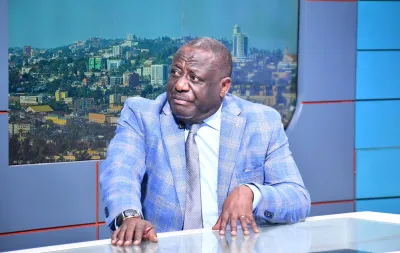



Sunrise reporter
Leave a Comment
Your email address will not be published.