





Uganda has taken a major step toward strengthening its creative economy after the Parliament of Uganda passed the Copyright and Neighbouring Rights (Amendment) Bill, 2025, introducing tougher penalties for infringement and new protections for creators.
The law proposes fines of up to UGX 50 million and imprisonment of up to 10 years, or both, for various copyright-related offences, in a move aimed at deterring piracy and unauthorized use of creative works.
Stronger protection for creatives
According to the Uganda Registration Services Bureau (URSB), the amendments are designed to close long-standing enforcement gaps and provide stronger safeguards for authors, musicians, filmmakers and other content creators.
Officials say the reforms are expected to improve how creatives earn from their work by strengthening copyright enforcement and introducing more structured systems for royalties.
What changes under the new law
The new framework is expected to impact multiple sectors across the economy:
Artists and creators gain stronger legal protection and clearer rights over their work.
Broadcasters and media houses may be required to compensate creators for content usage.
Businesses, including bars and event venues, could face stricter compliance requirements when using copyrighted material.
The law also paves the way for improved systems to monitor content usage and ensure creators are compensated fairly.
Industry reaction
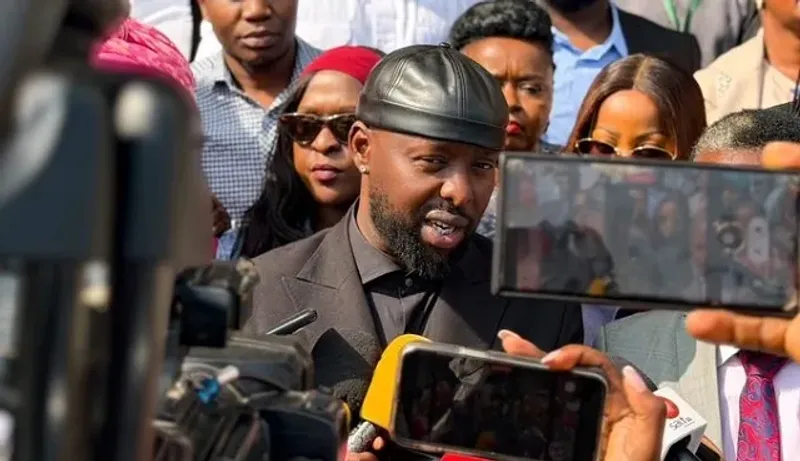
Ugandan musician Eddy Kenzo has welcomed the development, describing it as a significant milestone for the country’s creative sector.
He noted that the reforms present an opportunity for artists to earn more sustainably from their work, particularly through structured royalty systems such as caller ring-back tones and licensed content distribution.
Kenzo, however, emphasized that the success of the law will depend on effective implementation, including the establishment of clear regulations and enforcement mechanisms.
Impact on Uganda’s Creative Economy
The creative industry has long raised concerns over piracy, limited enforcement, and lack of fair compensation. Stakeholders argue that stronger intellectual property protections could unlock economic potential by enabling creators to monetize their work more effectively.
URSB has also encouraged creatives to take proactive steps, including registering their works, understanding their rights, and utilizing emerging systems for royalty collection and enforcement.
While the passage of the bill marks a significant policy shift, attention is now turning to implementation. Key areas to watch include: Development of enforcement regulations, Rollout of digital tracking and royalty systems, and Public awareness and compliance
If effectively implemented, the law could reshape Uganda’s creative landscape by moving the industry toward a more structured and sustainable economic model.
The Copyright and Neighbouring Rights (Amendment) Bill, 2025 signals Uganda’s intent to protect creativity as a valuable economic asset, placing greater responsibility on users of content while offering new opportunities for creators.




Sunrise reporter
Leave a Comment
Your email address will not be published.