





Tech and Communication
ID4Africa 2026: Uganda Leaders Push Sustainable Digital Identity, Data Protection and Trusted Verification
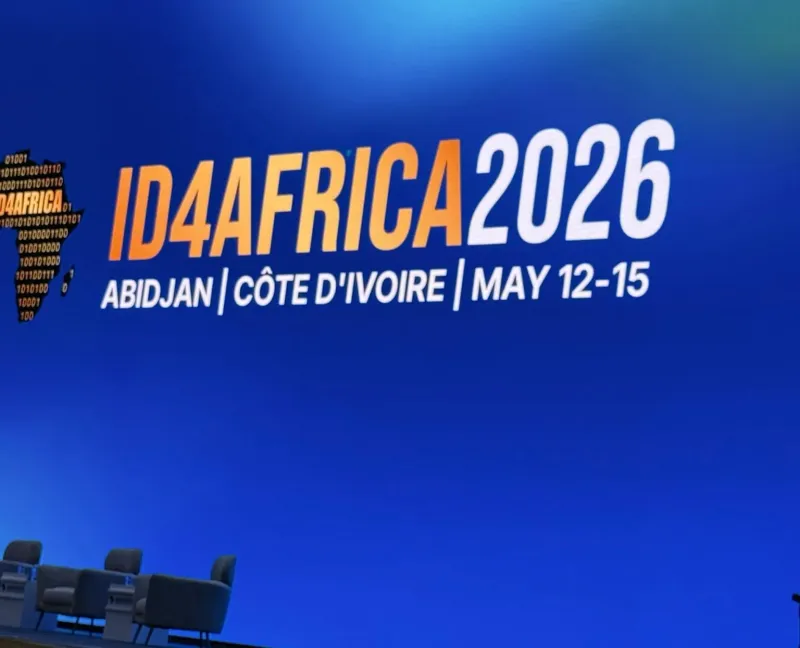
Discussions at ID4Africa AGM 2026 highlighted growing efforts across Africa to build digital identity systems capable of supporting public services, financial inclusion, governance, and trusted verification at national scale.
Ugandan officials participating in the conference pointed to an emerging shift in how identity systems are increasingly being viewed, not as short-term inclusion projects, but as long-term national infrastructure requiring sustainable funding, interoperability, governance, and resilience.
The annual gathering, which brings together governments, regulators, technology providers, and development stakeholders, focused heavily on identity governance, digital public infrastructure, data protection, and the economics of trusted identity ecosystems.
A recurring theme throughout the discussions was the growing role of identity as a foundational credential for accessing services across sectors and borders.
At the same time, speakers acknowledged persistent operational challenges facing many countries, including biometric verification difficulties, missing breeder documents, adjudication processes, privacy concerns, and system fragilities that can slow service delivery.
Participants also discussed local technology adoption, digital sovereignty, and reducing vendor lock-in within national identity ecosystems.
Identity Systems as National Infrastructure
Joseph Atick, Chairman of ID4Africa emphasized the evolving role of identity systems beyond inclusion alone.
According to discussions shared from the conference, inclusion was once considered the primary measure of success for national identity programmes. Increasingly, however, countries are focusing on building identity infrastructure accessible to both public and private service providers.
The broader message emerging from the conference was that trusted identity systems require continuous maintenance, governance, funding, and institutional support similar to other forms of critical national infrastructure.
Sustainability and the Economics of Trusted Verification
Rosemary Kisembo, Executive Director of National Identification and Registration Authority, contributed to conversations around value creation, sustainability, and the economics of trusted identity verification.
One of the major ideas discussed was that institutions and businesses deriving operational or commercial value from identity verification may increasingly play a larger role in sustaining the infrastructure that enables trusted verification services.
The discussion framed identity verification as an ecosystem supporting onboarding, compliance, fraud management, financial transactions, and security processes across multiple sectors.
An example highlighted during the conversations was how stronger national identification capabilities have contributed to improving trust and integrity within governance and financial systems by strengthening the ability to reliably identify individuals.
The discussions also raised broader questions about whether identity agencies fully understand the scale of value identity ecosystems generate across economies and public services, and whether future models could eventually create forms of value or benefit that flow back to citizens themselves.
NITA Uganda Highlights Role of ICT and Interoperability
Hatwib Mugasa, Executive Director of National Information Technology Authority-Uganda, joined discussions on the role of ICT in shaping digital identity ecosystems and co-stewardship of Digital Public Infrastructure (DPI).
The discussions emphasized the distinction between custodianship of the national register and the enabling role of ICT infrastructure.
While National Identification and Registration Authority remains the custodian of Uganda’s national register, ICT systems provide interoperability, platforms, and ecosystem support that allow government agencies, private sector players, and end users to interact through shared infrastructure.
The broader focus, according to the discussions, is the development of connected digital ecosystems capable of supporting seamless service delivery across institutions.
Data Protection and Concerns Around Function Creep
Governance and privacy discussions also featured prominently during the conference.
Baker Birikujja from Uganda’s Personal Data Protection Office participated in discussions on balancing data exploitation, monetisation, access, and protection within identity ecosystems.
A major concern raised during the discussions was the risk of over-collection of identity data once multiple institutions and private sector actors begin requesting access to identity systems.
Speaking during a panel discussion on identity data governance, Birikujja noted, “Over-collection in our jurisdiction does not show up most often at the point of original enrollment. It shows up downstream, in the steady, almost invisible expansion of what relying parties want to read from the identity system… This is the textbook definition of function creep.”
He further emphasized that each new purpose for processing identity data requires its own legal basis, Data Protection Impact Assessment, and retention framework.
The discussions also acknowledged that while legitimate public interest and government functions may require exceptions, proportionality, accountability, and governance remain essential safeguards.
Another important concern raised was the challenge of data minimisation, particularly as AI-driven systems and automated digital workflows continue increasing the volume of information collected and processed across ecosystems.
Growing Debate Around Digital Identity Governance in Africa
The conversations at ID4Africa AGM 2026 reflected broader continental debates around how African countries can build trusted identity systems that are secure, interoperable, sustainable, and rights-respecting.
As digital identity becomes increasingly central to financial systems, telecommunications, public services, and digital economies, governments and regulators are continuing to navigate the balance between innovation, efficiency, privacy, and citizen protection.
The conference discussions demonstrated that identity governance is no longer being treated solely as a technical or registration issue, but increasingly as a foundational component of national digital infrastructure and long-term digital transformation strategies across Africa.







Sunrise reporter
Leave a Comment
Your email address will not be published.