


Uganda is on the verge of unveiling a major cultural landmark as the Karamoja Museum & Cultural Centre in Moroto District nears completion, signaling a new chapter for tourism in the northeastern region.
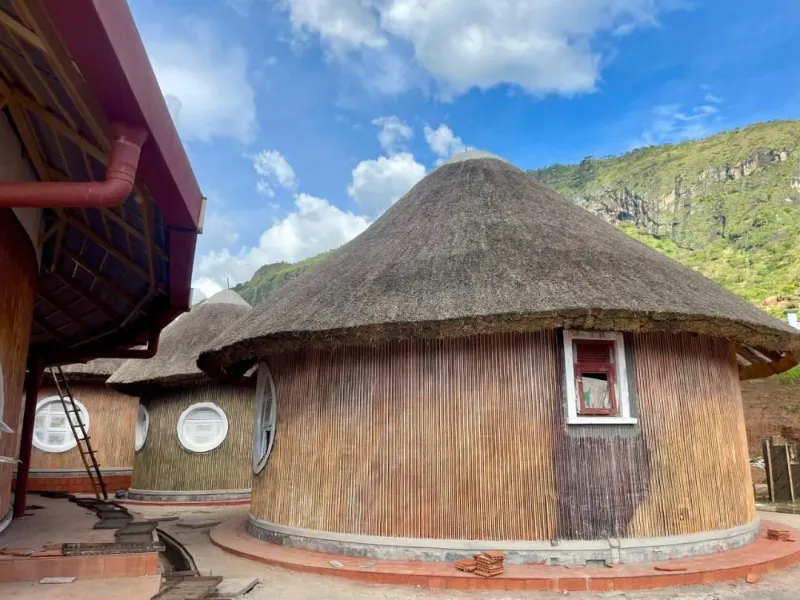
Situated at the foot of Mount Moroto, the museum is currently about 85–87% complete and will become the first museum in the Karamoja sub-region. The project is being implemented under the Ministry of Tourism, Wildlife and Antiquities as part of efforts to promote cultural heritage and diversify Uganda’s tourism offerings.
A Cultural Landmark in the Making
The Karamoja Museum is designed as a permanent cultural repository to preserve and showcase the unique traditions, history, and way of life of the Karamojong people. Its architectural design draws inspiration from the traditional manyatta homestead, blending cultural authenticity with modern construction.
Once completed, the facility will house a wide range of collections, including archaeological discoveries, ethnographic materials, and natural history exhibits. Visitors will be able to explore artifacts that highlight cattle-keeping practices, warrior traditions, and everyday life in Karamoja.
Tourism and Economic Impact
The development of the museum is expected to significantly boost tourism in the Karamoja Region, an area known for its rich culture but still largely untapped by mainstream tourism.
By attracting both domestic and international visitors, the museum will contribute to local economic growth through job creation, increased demand for hospitality services, and support for local artisans and cultural enterprises.
This initiative also aligns with Uganda’s broader strategy to expand tourism beyond wildlife and position cultural heritage as a key attraction.
A New Destination for Cultural Tourism
With growing global interest in authentic travel experiences, the Karamoja Museum & Cultural Centre is poised to become a must-visit destination in Uganda. Its completion will not only preserve an important cultural legacy but also strengthen the country’s identity as a diverse and culturally rich tourism destination.



Jason Olinga
Leave a Comment
Your email address will not be published.