
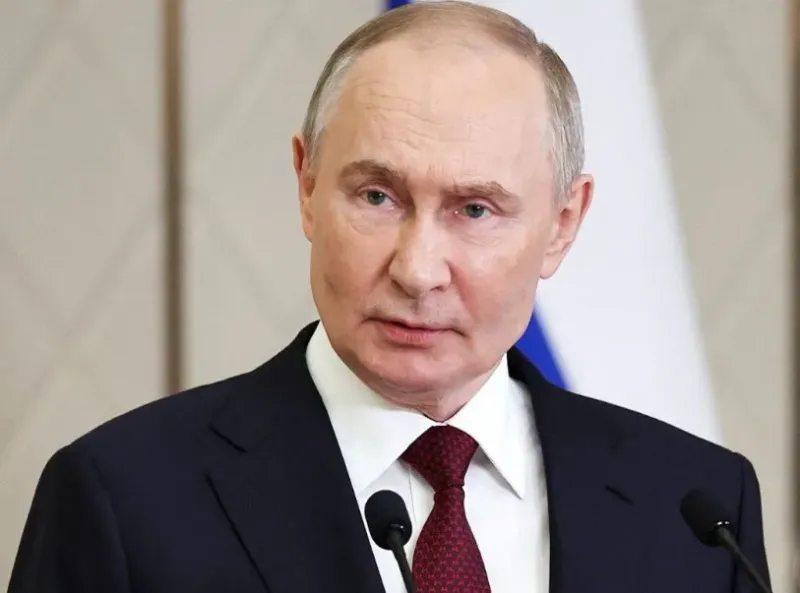




Russia’s President Vladimir Putin announced a 32-hour ceasefire for Orthodox Easter, according to the Kremlin, marking a temporary pause in fighting with Ukraine in one of the most intense phases of their ongoing war, according to reports and official statements from both sides.
The truce is expected to begin on Saturday afternoon and last through Sunday night, covering all major active frontlines. While both countries have signaled acceptance of the pause, skepticism remains high due to repeated accusations of past ceasefire violations.
What the 32-Hour Ceasefire Means
The announced ceasefire is primarily symbolic and humanitarian in nature. It does not represent a broader peace agreement or political breakthrough, but rather a short-term pause aligned with religious observance.
Both sides have framed the move as a temporary gesture, allowing for; reduced fighting intensity along frontlines, potential civilian movement in high-risk areas, and a short humanitarian window for aid access.
However, military analysts note that such truces in the conflict have historically been fragile and difficult to enforce.
When Does the Ceasefire Start and End?
The 32-hour pause is expected to run from:
- Start: Saturday afternoon (local time)
- End: Sunday night (local time)
It will reportedly apply across multiple active combat zones, though the exact enforcement mechanisms remain unclear.
Why Russia and Ukraine Agreed to a Temporary Truce
Temporary ceasefires during religious holidays have occurred in various forms throughout the war. In this case, the timing around Orthodox Easter adds religious and symbolic significance.
Key motivations include:
1. Humanitarian considerations
A brief reduction in hostilities can allow civilians to evacuate or receive aid.
2. International image and diplomacy
Both governments may seek to demonstrate willingness to pause fighting, especially for global audiences.
3. Religious observance
Orthodox Easter remains an important cultural and religious period in both countries.
Has Either Side Respected Previous Ceasefires?
Past temporary truces in the conflict have been mixed in success. Both Russia and Ukraine have previously accused each other of violating ceasefire agreements, sometimes within hours of their start.
Because of this history, expectations for strict compliance remain low, despite official announcements.
Why This Ceasefire Is important
While the truce is short, it is still significant for several reasons:
- It reflects continued use of symbolic pauses during the war
- It highlights the role of religion in shaping wartime diplomacy
- It may provide temporary relief for civilians near frontlines
- It offers insight into communication channels between both sides
However, analysts emphasize that it does not change the strategic direction of the war or indicate progress toward a long-term settlement.
What Happens After the Easter Truce?
Once the 32-hour period ends, fighting is expected to resume unless new diplomatic developments emerge. At present, there are no confirmed indications of extended negotiations tied to this ceasefire.





Aldrige Kennedy
Leave a Comment
Your email address will not be published.