




Middle East
Iran & Strait of Hormuz Crisis: Ceasefire Reopens Key Oil Route as Global Tensions Remain High
The world’s attention is once again fixed on the situation involving Iran and the strategically critical Strait of Hormuz, where a sudden diplomatic breakthrough has temporarily eased fears of a full-scale global energy crisis.
A last-minute two-week ceasefire between Iran and the United States has led to the reopening of the Strait of Hormuz, one of the most important oil transit routes in the world.
The breakthrough came after mounting pressure from the United States, with Donald Trump agreeing to suspend planned military strikes as diplomatic efforts intensified. Pakistan also played a key role, acting as a mediator to facilitate communication between Washington and Tehran, helping both sides avoid further escalation.
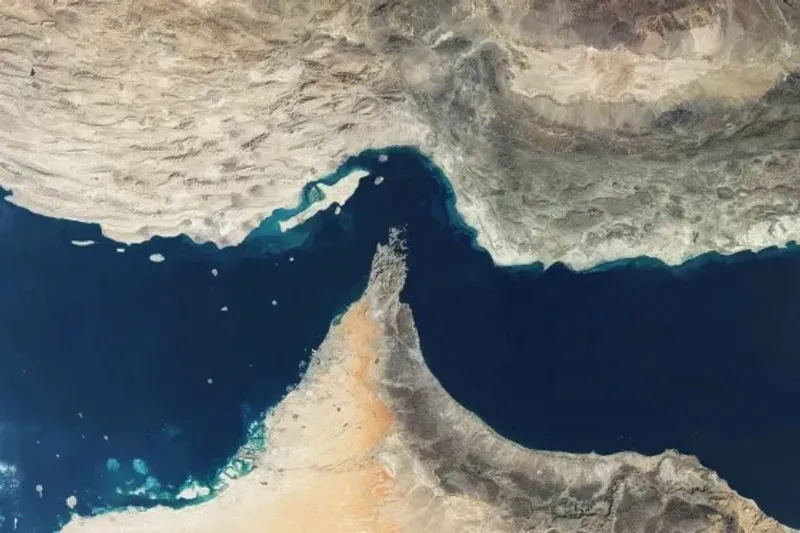
The Strait of Hormuz is a narrow passage that connects the Persian Gulf to international waters and carries nearly a fifth of the global oil supply, making it essential to the stability of energy markets worldwide. The deal was reached just hours before tensions were expected to escalate into direct military confrontation, marking a critical turning point in a conflict that had already disrupted global trade.
For weeks, the situation had been deteriorating rapidly. The Strait of Hormuz had effectively been shut down following military escalations earlier in the year, leaving hundreds of oil tankers stranded and millions of barrels of crude oil unable to reach international markets. The resulting supply shock triggered a sharp rise in oil prices and sparked fears of a wider economic downturn. Industries dependent on fuel and petrochemicals began to feel the pressure almost immediately, with supply chains across Asia and Europe experiencing delays and shortages.
The ceasefire agreement has now allowed limited maritime traffic to resume, bringing a sense of cautious optimism to global markets. Oil prices responded quickly, dropping as traders reacted to the prospect of restored supply. However, the reopening of the strait does not signal a full return to normal operations. Shipping congestion remains a major challenge, and it may take days or even weeks for the backlog of vessels to clear.
Despite this progress, the situation remains highly fragile. Iranian authorities have indicated that the ceasefire does not mark the end of hostilities, and warnings of possible retaliation continue to cast a shadow over the region. Control over the Strait of Hormuz has also become more complex, with increased monitoring and tighter regulations on vessels passing through the corridor. This shift suggests that the waterway, once considered a neutral global trade route, is now firmly entangled in geopolitical tensions.
As part of the two‑week ceasefire plan, both Iran and Oman are allowed to charge transit fees on vessels passing through the Strait of Hormuz, a provision regional officials say could provide revenue use for reconstruction and port services.
The global implications of the crisis are already being felt far beyond the Middle East. Rising fuel costs have placed additional strain on economies around the world, particularly in developing regions. For countries like Uganda, the impact could eventually translate into higher transport costs, increased prices for imported goods, and broader inflationary pressure affecting everyday life. The ripple effects of disruptions in oil supply extend into sectors such as agriculture, manufacturing, and logistics, amplifying the economic consequences.
The roots of the current crisis can be traced back to earlier military actions that intensified hostilities between Iran and its adversaries. Retaliatory measures included attacks on shipping vessels and restrictions on maritime movement through the strait, pushing the region to the brink of a wider conflict. At the peak of the crisis, traffic through the Strait of Hormuz had nearly come to a standstill, raising alarms across global financial markets and prompting urgent diplomatic intervention.
Looking ahead, the next two weeks are expected to be critical. The temporary ceasefire provides a narrow window for negotiations, but the risk of renewed escalation remains high. Any breakdown in talks could quickly reverse the fragile stability currently being observed, potentially triggering another surge in oil prices and further disruption to global trade.
For now, the reopening of the Strait of Hormuz offers a moment of relief in an otherwise volatile situation. While markets have responded positively to the development, uncertainty continues to dominate the outlook. The balance between diplomacy and conflict will determine whether the world moves toward sustained stability or faces another wave of economic and geopolitical turmoil.





Aldrige Kennedy
Leave a Comment
Your email address will not be published.