





News
Uganda Takes Over PAPU Chairmanship 2026–2030, Pledges Digital Transformation of Africa’s Postal Sector
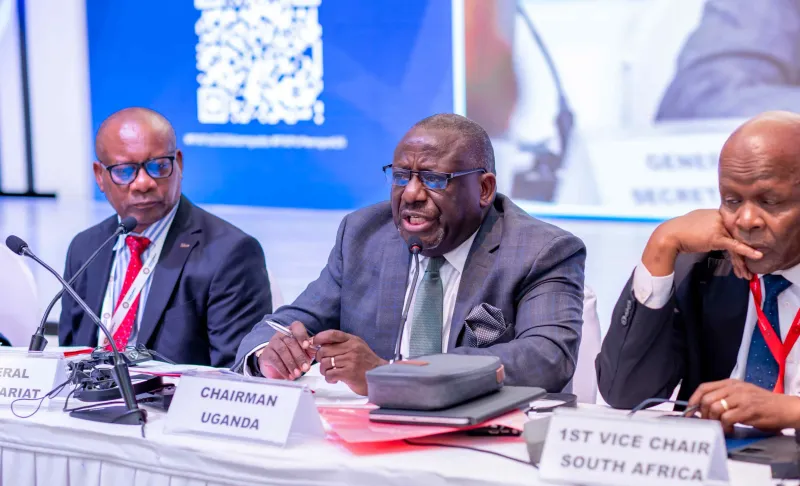
Uganda has officially assumed the chairmanship of the Pan African Postal Union (PAPU) Plenipotentiary Conference for the 2026–2030 cycle, marking a significant milestone in the country’s leadership role within Africa’s communications sector.
The position will be held by the Minister of ICT and National Guidance, Dr. Chris Baryomunsi. At the ongoing 11th Ordinary Session of the Pan African Postal Union (PAPU) Plenipotentiary Conference, he is being represented by Hon. Nyombi Thembo, Executive Director of the Uganda Communications Commission (UCC).
Uganda Takes Over from Zimbabwe
Uganda succeeds Zimbabwe, which has chaired the PAPU Conference for the past four years under the leadership of Tatenda Anastasia Mavetera, Zimbabwe’s Minister of ICT, Postal and Courier Services.
Speaking at the conference, Mavetera emphasized that the 11th PAPU Plenipotentiary Conference is a critical opportunity for African leaders to commit to transforming postal services into key drivers of economic growth and regional connectivity.
Focus on Digital Transformation and Policy Reform
Discussions at the conference have been anchored on a High-Level Ministerial Postal Dialogue focused on creating an enabling policy and investment environment for a smart, integrated African postal sector.
Ministers and sector leaders highlighted the importance of reforms, partnerships, and strategic decisions needed to position postal networks at the center of Africa’s digital economy and to support intra-African trade.
What This Means for Africa’s Postal Sector
The Pan African Postal Union (PAPU) is a continental organization that coordinates postal services across Africa.
Uganda’s leadership is expected to prioritize digital transformation, modernization of postal infrastructure, and stronger regional integration through efficient communication networks.
Uganda’s Commitment
As Uganda takes on the PAPU chairmanship, the country has pledged to advance Africa’s digital transformation agenda, strengthen postal systems, and enhance the role of postal networks in supporting intra-African trade and economic growth.
The new leadership comes at a time when African countries are increasingly focusing on leveraging technology and innovation to improve connectivity and drive sustainable development across the continent.







Sunrise reporter
Leave a Comment
Your email address will not be published.