

Kampala Capital City Authority (KCCA) has projected a budget of UGX 725.445 billion for the 2027/28 financial year, down from UGX 1.054 trillion in the current financial year, as Executive Director Sharifah Buzeki calls for greater accountability, spending discipline and value for money in public expenditure.
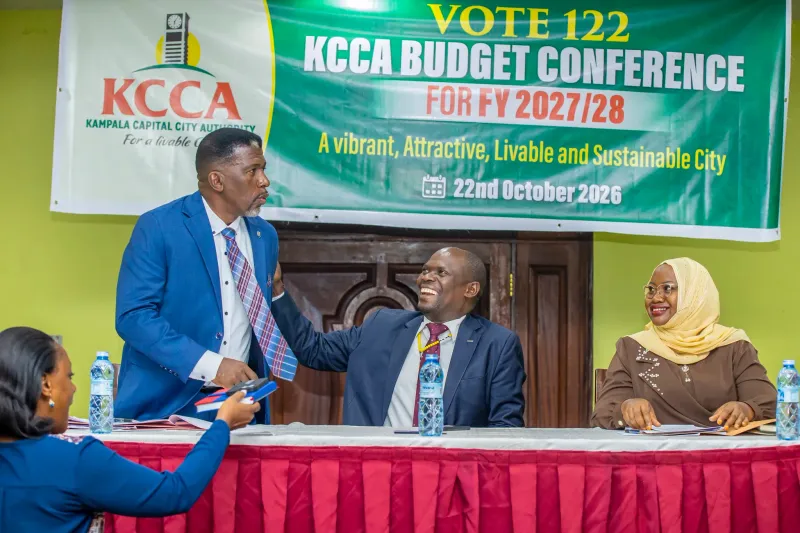
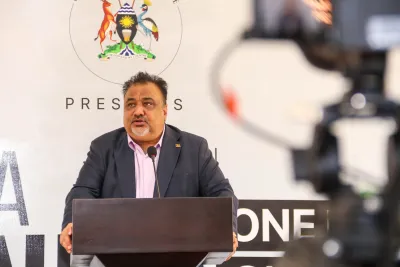
Speaking at the KCCA Budget Conference held at Imperial Royale Hotel on Thursday, Buzeki said the proposed budget should serve as a practical tool for improving the lives of Kampala residents rather than simply outlining planned expenditure.
She emphasised that the credibility of the budget would depend on how effectively the authority translates allocated resources into measurable results and improved service delivery.
Buzeki said KCCA must prioritise interventions that address Kampala’s most pressing challenges, unlock economic opportunities and strengthen the city’s resilience and competitiveness.
She added that the 2027/28 budget would be guided by the national budget strategy, the Fourth National Development Plan (NDP IV), the Tenfold Growth Strategy and KCCA’s Strategic Plan for 2025/26–2029/30.
The projected reduction in the budget is partly attributed to the completion of major projects, including the African Development Bank-funded Kampala City Roads Rehabilitation Project (KCRRP), which is scheduled to end in December 2027. The UGX 19 billion allocation for Kisekka Market, classified as a one-off expenditure, has also been excluded from the projections.
The budget conference brought together city leaders and other stakeholders to review achievements during the 2025/26 financial year, discuss spending priorities for 2027/28 and collect public views to inform the next budget framework.
Buzeki said the consultations were intended to ensure that community needs and grassroots concerns are reflected in Kampala’s development priorities and resource allocation.
The proposed budget will retain the theme, “Full Monetization of Uganda’s Economy through Commercial Agriculture, Industrialization, Expansion and Broadening of Services, Digital Transformation, and Market Access.”
Under Section 9(1) of the Public Finance Management Act, KCCA is required to prepare its budget framework paper through a transparent and consultative process.
State Minister for Kampala Capital City and Metropolitan Affairs Kabuye Kyofatogabye urged city leaders to involve residents in determining spending priorities, saying decisions should reflect the needs of the communities they are intended to serve.
Lord Mayor Ronald Balimwezo also called for public expenditure to be assessed based on its impact on residents rather than the amount of money allocated.
Balimwezo questioned whether large budgets were translating into tangible improvements in people’s lives and called for greater emphasis on value for money.
He identified garbage management as one of Kampala’s major challenges, noting that the city generates more than 2,500 tonnes of waste every day.
The Lord Mayor also urged the central government to give Kampala special consideration in the allocation of national resources, citing the city’s economic importance and substantial demand for public services.
Among the proposed priorities for the 2027/28 financial year are investments in waste management, roads, drainage systems, public transport and market infrastructure.
In waste management, KCCA plans to prioritise construction of Phase II of the Resource Recovery Facility at Buyala, procurement of additional garbage trucks and construction of a leachate treatment facility at Buyala.
The proposed investments are intended to strengthen the city’s waste management capacity and improve waste treatment and recovery.
For transport infrastructure, the authority plans to complete road and drainage works under the Kampala City Roads Rehabilitation Project and the Greater Kampala Metropolitan Area Urban Development Programme (GKMA-UDP).
KCCA also intends to pursue the procurement of land for bus and lorry parks, construction of the facilities and a feasibility study for the proposed Kampala Bus Rapid Transit system.
Market infrastructure is another priority, with plans to complete Ggaba Market and construct Usafi Market to improve trading facilities and support commercial activity in the city.
The authority is also proposing to dredge 67 kilometres of primary and secondary drainage channels to improve stormwater flow and help address flooding across Kampala.
Division leaders used the conference to present additional priorities for consideration in the forthcoming budget.
Nakawa Division Mayor Ali Bukeni called for the completion of Kitintale Market to provide traders with improved working spaces. He also urged KCCA to prioritise drainage improvements, particularly in informal settlements that are vulnerable to flooding.
Kawempe Division Mayor Emmanuel Sserunjoji called for the establishment of a hospital in the division and the identification of land for expanding the division headquarters.
In Rubaga Division, Mayor Maula Zaccy Mberaze asked KCCA to prioritise the construction of additional classrooms and teachers’ houses to improve education services. She also called for the renovation of Kitebi Health Centre IV.
The proposals are expected to inform further consultations as KCCA works to align its spending plans with local needs and national development priorities.
As the budget process progresses, Buzeki said the authority would focus on strategic alignment, implementation readiness, measurable results and value for money, with the ultimate goal of ensuring that public spending delivers visible improvements in service delivery and the livelihoods of Kampala residents.
The proposed UGX 725.445 billion budget therefore places emphasis on prioritising essential services and infrastructure while strengthening accountability for the use of public resources. The effectiveness of the planned expenditure will depend on implementation and the extent to which the proposed investments address the needs of Kampala’s residents and businesses.


Sunrise reporter
Leave a Comment
Your email address will not be published.