


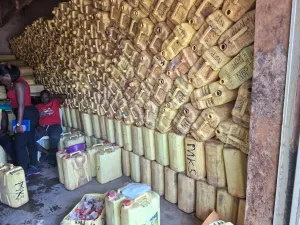

Uganda’s National Drug Authority (NDA) has shut down more than 105 illegal drug outlets and seized 260 boxes of assorted classified medicines valued at approximately UGX 65 million during a week-long enforcement operation in the Teso sub-region.
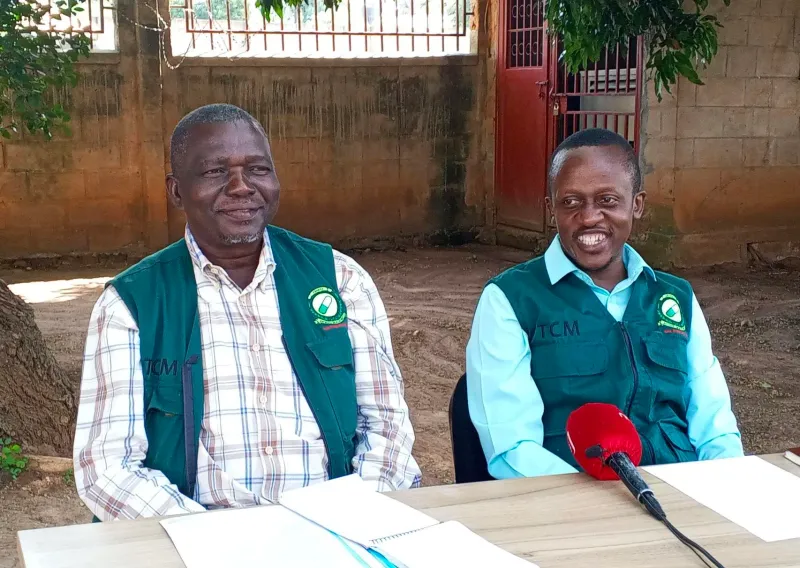
The crackdown was announced during a press briefing held at NDA offices in Soroti City, where Dr. Tom Makumbi, the Regional Inspector of Drugs for North Eastern Uganda, said the compliance operation targeted the districts of Kaberemaido, Ngora, Kalaki, Kapelabyong, and Soroti.
The operation was aimed at stopping the sale and distribution of medicines by unlicensed individuals and businesses operating outside the law.
“The worst offender district was Kaberamaido, from which we retrieved 44 boxes of medicine from illegal outlets, our operations are guided by surveillance and intelligence. ,”Dr. Makumbi said. "We are no longer running around like headless chickens we plan carefully and act strategically."
According to NDA officials, the facilities closed during the operation were allegedly operating without valid licenses, working from unsuitable or unauthorized premises, and in many cases being managed by unqualified personnel.
NDA warned that such illegal practices contribute to the circulation of counterfeit and substandard medicines, irrational drug use, treatment failure, and increasing antimicrobial resistance, which continues to be a growing public health concern in Uganda.
Dr. Makumbi emphasized that the authority’s enforcement work is mainly intended to improve compliance rather than punish offenders.
“Our objective is to elicit compliance, not to send people to jail, we encourage operators to visit our Soroti regional office for guidance and to formalize their businesses,” he noted.
He also reported improved compliance trends in the region, revealing that the number of licensed Class C drug shops has increased from 884 a year ago to 1,010. According to NDA, this indicates that several outlets previously closed are now meeting regulatory standards and operating legally.
The authority explained that enforcement operations are costly and time-consuming, meaning they are carried out based on risk assessments and intelligence-led targeting. With 19 districts under the North Eastern region, NDA said it prioritized areas with the highest levels of non-compliance for this phase of operations.
During the same briefing, Dr. Alfred Ayom Akali, a Senior Inspector of Drugs, urged members of the public to avoid buying medicines from open markets including Amukaru, Wera, Toroma, and other trading areas where drugs are often sold in unsafe conditions.
“We urge the public to buy medicines only from licensed pharmacies and drug shops where the license and photo of the qualified person are clearly displayed, many of the people selling drugs in markets are not qualified, and the quality of those medicines cannot be guaranteed,” Dr. Akali stated.
NDA reaffirmed that its mission remains ensuring access to safe, effective, and quality medicines across Uganda, including remote and hard-to-reach communities.
Dr. Makumbi noted that in certain areas such as Karamoja, the authority sometimes licenses unconventional but suitable structures, including traditional “manyatas,” as long as the premises meet basic standards and a qualified person is in charge.
The National Drug Authority is responsible for regulating the manufacture, importation, distribution, and sale of human and veterinary medicines and health products in Uganda. NDA says its ongoing enforcement operations are meant to protect public health by ensuring that medicines on the market meet required safety and quality standards.




The Sunrise Editor
Leave a Comment
Your email address will not be published.