



Unsafe abortion in Uganda is no longer predominantly a problem among teenage girls. New health data show that adult women, many married and in their prime reproductive years, are now increasingly affected by abortion-related complications.
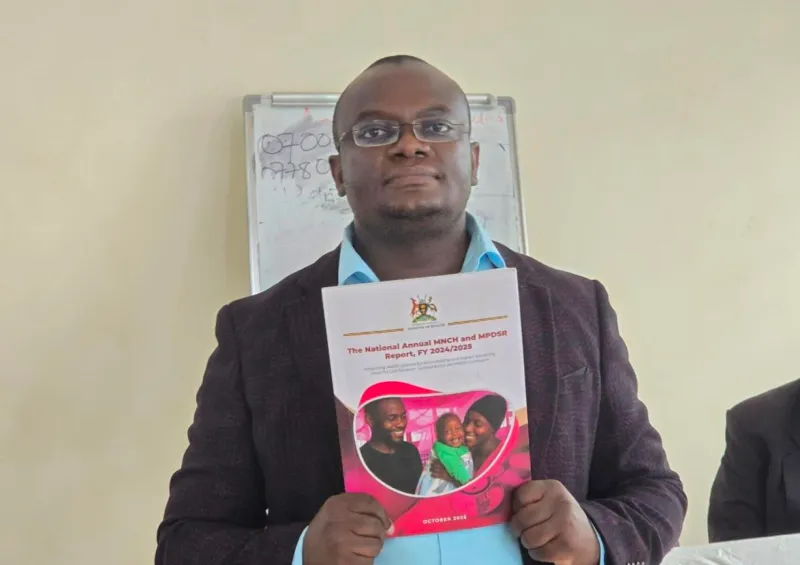
The Maternal and Perinatal Death Surveillance and Response (MPDSR) report for the Financial Year 2024/2025 shows that abortion-related complications account for 4 percent of all maternal deaths, equal to 189 deaths per 100,000 live births nationwide. The Busoga sub-region faces an even greater risk, with abortion-related deaths at 7 percent, mostly among women aged 25 and older.
Experts warn these numbers likely underestimate the true scope. Many abortions occur illegally in unregulated settings where deaths go undocumented. Additionally, some women experiencing first-trimester pregnancy loss may not realize they were pregnant, often mistaking it for a delayed or heavy menstrual period, meaning many cases never enter official records.
This marks a major shift from previous reports linking unsafe abortion mainly to school-going teenage girls, who often sought abortions due to fear of stigma, expulsion, or rejection by families and communities.
Medically, abortion is defined as the termination of a pregnancy before 26 weeks, before a fetus can survive outside the womb. Uganda’s law permits abortion only in restrictive cases, such as when the mother’s life is at risk or the fetus cannot survive outside the uterus. Despite these restrictions, unsafe abortions persist due to social pressures, misinformation, and limited access to reproductive health services.
Aggrey Bameka, an associate consultant in obstetrics and gynecology at Buwenge General Hospital, explains that most women seeking abortions today are adults, some accompanied by their spouses. “Many resort to unlicensed herbalists. The herbs often have high chemical concentrations with no clear dosage, resulting in severe bleeding, infections, and, in some cases, death if medical care is not sought early.”
He adds that women who lose pregnancies due to medical complications, rather than intentional termination, face additional emotional challenges.
“For women in middle age who struggle to conceive, losing a pregnancy unintentionally is emotionally devastating,” Bameka says. “Post-abortion care must include extensive counselling.”
A 41-year-old woman illustrates this struggle. After five years of marriage, medical examinations revealed she could only conceive through assisted reproductive technology. She and her husband saved over 30 million Shillings, with 25 million allocated for an IVF procedure and the remainder for postnatal care. The loss of this long-awaited pregnancy took a significant emotional toll.
Bameka notes he sees at least two women weekly seeking abortion services, citing reasons from medical complications to unwanted pregnancies. Misconceptions about childbirth, particularly after caesarean sections, also contribute.
“Some women believe that a caesarean section delays future conception. When they become pregnant again shortly after, many opt for unsafe abortions as a way of enforcing child spacing,” he explains.
To reduce unsafe abortions and related deaths, Bameka advises women to adopt effective family planning immediately after delivery. Informed reproductive choices can significantly lower the demand for unsafe procedures.
Health advocates emphasize that tackling unsafe abortion among adult women requires more than family planning access. Accurate information, stronger post-abortion care systems, and open conversations that challenge outdated assumptions about who is most at risk are essential to protect women’s health in Uganda.
URN







The Sunrise Editor
Leave a Comment
Your email address will not be published.