
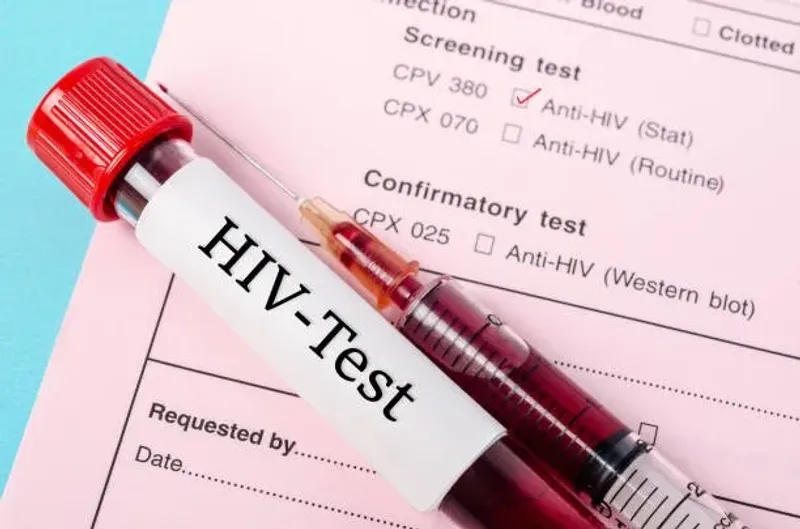




Kampala is facing a severe public health crisis as a new medical study reveals that the city registers about 211 new HIV infections every single week.
The alarming data, unveiled by the Kampala Capital City Authority (KCCA) during the annual HIV/TB Stakeholders' Meeting, highlights a sharp resurgence of the virus within the capital.
Health officials confirmed that over the past year alone, the city recorded 11,241 fresh cases of HIV, translating to an average of 30 people testing positive every single day.
The demographic breakdown of the findings has deeply troubled local health experts and policymakers. While young adults between the ages of 20 and 24 sought testing most frequently, the highest concentration of actual new infections was found among older adults aged 30 to 39 years. Furthermore, gender disparities remain stark in this latest wave, with women accounting for 62% of all newly documented cases across the city's divisions.
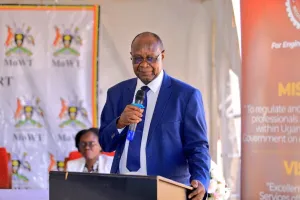
Reacting to the alarming Kampala findings, the Permanent Secretary of the Ministry of Health, Dr. Diana Atwine, issued a strong public warning. She revealed that nationwide, Uganda still records around 36,648 new HIV infections annually, averaging 100 new cases every day, with a third of these occurring among youth under the age of 24. Dr. Atwine cautioned the public against letting their guard down simply because modern medicine has advanced. "As HIV becomes more treatable, we must not become complacent", Dr. Diana said.
Public health authorities blame a shift in urban social dynamics as the primary driver behind the sudden spike. Dr. Sarah Zalwango, the KCCA acting director of medical services, explicitly flagged unregulated businesses like massage parlors, wellness spas, and hidden lodges as major hotspots for unsafe sexual activity. Ministry officials also pointed to the influence of social media networks, which they say are increasingly used to coordinate risky sexual behavior.
In response to the numbers, the government is shifting its strategy toward strict enforcement and targeted grassroots interventions. KCCA intends to work closely with local law enforcement to map out, inspect, and register all massage spas and hospitality venues operating in Kampala. Health teams are also ramping up the distribution of self-testing kits and expanding access to Pre-Exposure Prophylaxis (PrEP) in the most affected urban communities, aiming to quickly halt the weekly infection rate before it overwhelms municipal healthcare facilities.






Sunrise reporter
Leave a Comment
Your email address will not be published.