
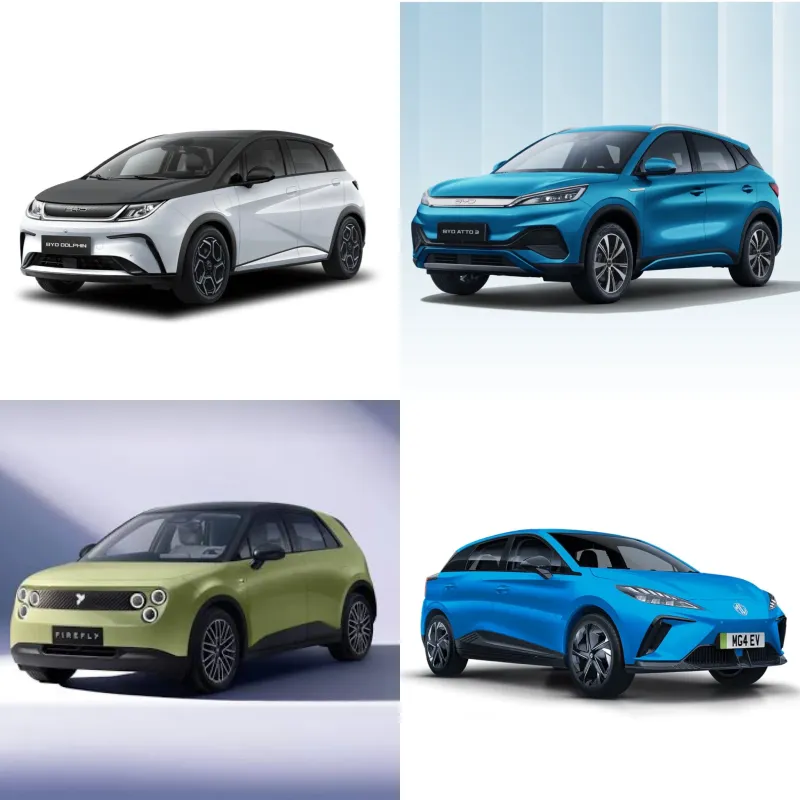





China is the world’s largest producer of electric vehicles (EVs), accounting for the majority of global EV manufacturing and exports. Chinese brands such as BYD, Nio, XPeng, Aion, and Zeekr are expanding rapidly beyond Asia into Europe, Southeast Asia, and Africa, driven by demand for affordable and technologically advanced electric transport. Uganda, which is already importing and producing electric vehicles, is increasingly part of this broader African shift.
Uganda has in recent years recorded a steady rise in EV imports, particularly electric motorcycles, hybrids, and a small but growing number of fully electric cars. Official data shows that imports increased significantly during periods of reduced import duties, demonstrating consumer interest when prices are competitive. Although tax changes have since affected volumes, the presence of EVs on Ugandan roads confirms that the country is no longer at an experimental stage.
Beyond imports, Uganda has taken notable steps in local electric vehicle production. State-owned Kiira Motors Corporation manufactures the Kayoola EVS electric bus, which has been deployed in institutional and pilot transport settings, including use by the Uganda Civil Aviation Authority. Kiira Motors has also developed prototypes of electric cars and showcased the Kayoola E-Coach on a trans-African journey covering more than 13,000 kilometres, highlighting Uganda’s growing technical capability in electric mobility.
Private-sector activity is also shaping the EV landscape. Companies such as Zembo, Spiro, and Gogo Electric are assembling electric motorcycles and operating battery-swapping networks, making two-wheel electric transport one of the fastest-growing segments in the country. Thousands of electric motorcycles are already in use, supported by expanding charging and swapping infrastructure, particularly in urban areas.
China’s expanding EV exports to Africa could further influence Uganda’s transport sector. Chinese manufacturers offer a wide range of electric vehicles, from compact city cars to buses and SUVs, often at lower prices than Western alternatives. For Uganda, where most vehicles are imported, Chinese EVs could increase consumer choice, accelerate technology transfer, and complement existing local manufacturing efforts.
The potential benefits are significant. Wider EV adoption could reduce fuel import costs, lower urban air pollution in cities such as Kampala and Entebbe, and create jobs in vehicle sales, servicing, charging infrastructure, and assembly. Government strategies already support EV research, development, and manufacturing, while efforts are underway to localise parts of the supply chain, including electronics, wiring, and vehicle assembly, even as core components like batteries and motors are still imported.
Challenges, however, remain. EV adoption depends on reliable electricity supply, expanded charging infrastructure, affordable pricing, and clear long-term policy support. Import duties, financing options, and technical skills development will continue to shape how quickly electric vehicles gain wider acceptance across the country.
Experts note that as Chinese EV exports to Africa continue to grow, countries with early adoption and local capacity, such as Uganda, are better positioned to benefit. While large-scale electric car use is still developing, Uganda’s combination of imports, local production, and supportive policy direction suggests a transport sector in transition.
For Ugandan readers, the rise of Chinese electric vehicles is not a distant trend. It intersects directly with local innovation, public transport development, and the country’s broader push toward sustainable and modern mobility.






Carne Lee
Leave a Comment
Your email address will not be published.