
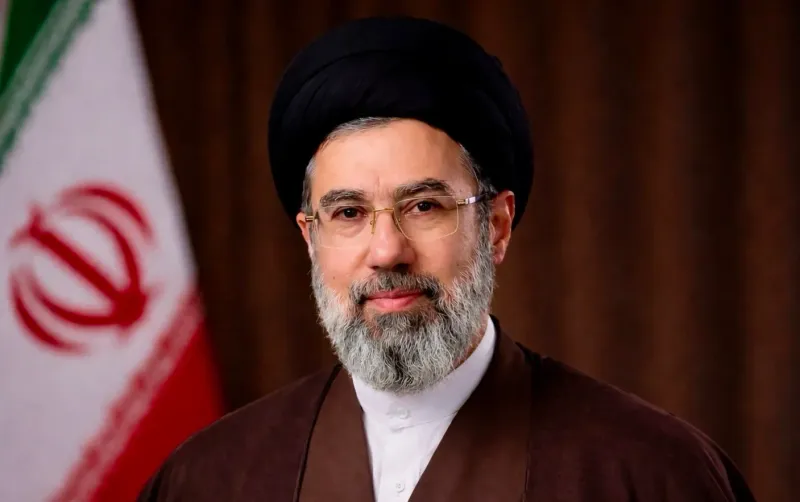

Mojtaba Khamenei has been appointed Iran’s new supreme leader following the death of his father, Ali Khamenei, marking a pivotal leadership transition as the conflict with Israel intensifies.
The appointment was confirmed by Iran’s top clerical body, the Assembly of Experts, ensuring continuity in governance during one of the most volatile periods in the Middle East. Analysts say the move consolidates power within Iran’s hardline faction, which could influence the country’s foreign and domestic policies significantly.
Escalating Israel-Iran Tensions
Military clashes between Israel and Iran-aligned forces have intensified over the past week, including airstrikes near Tehran. International observers warn that the risk of a wider regional conflict is rising.
The United Nations and several world leaders have urged restraint, stressing that any misstep could trigger broader instability across the Middle East.
Global Oil Prices Surge
The conflict has caused global oil prices to rise sharply, with Brent crude surpassing $110 per barrel. Analysts warn that the Strait of Hormuz, a strategic chokepoint through which about 20% of the world’s oil passes, remains highly vulnerable. Any disruption could send global energy markets into further turmoil.
Energy-importing countries are closely watching developments, as sustained price increases could lead to inflationary pressure and economic instability worldwide.
Political Implications of Mojtaba’s Appointment
Mojtaba Khamenei, a prominent cleric and son of the late supreme leader, is widely regarded as a hardliner. He has held influential positions within Iran’s Revolutionary Guard and intelligence services, giving him significant control over security and foreign policy.
Experts say his leadership is likely to continue the policies of his father, which could lead to a more confrontational approach with Western and regional powers, particularly Israel and the United States.
International Reactions
Global reactions have been cautious. Neighboring countries and international organizations are monitoring Iran closely. Analysts warn that any further escalation could not only destabilize the region but also disrupt critical energy supplies globally.
Governments worldwide are considering contingency plans for energy imports, and investors are watching the Middle East closely, given the potential for further economic shocks.
With Mojtaba Khamenei now at the helm, Iran’s domestic and foreign policy decisions during this conflict will be closely scrutinized. The next few weeks are expected to be critical in determining whether the situation stabilizes or escalates into a broader regional war.

Aldrige Kennedy
Leave a Comment
Your email address will not be published.