

Economy
Museveni Meets IMF Official Abebe Selassie, Pushes Value Addition and Lower Business Costs for Uganda
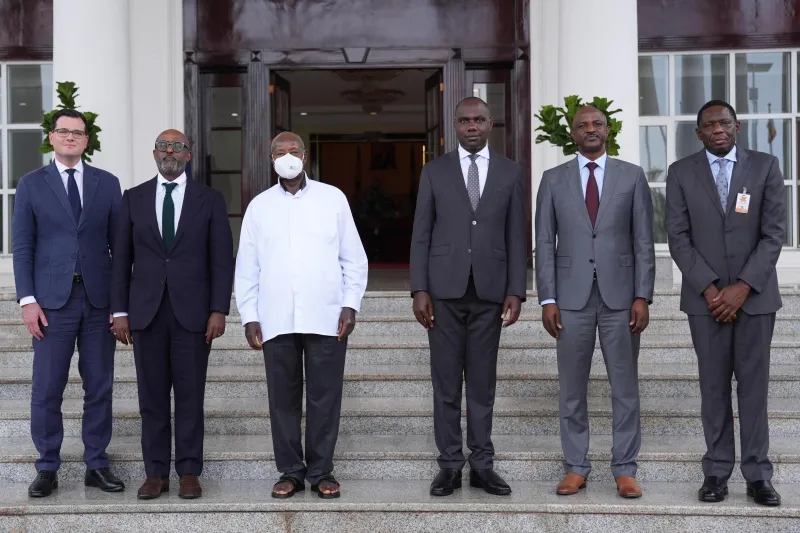
President Yoweri Kaguta Museveni has held high-level talks with Mr. Abebe Aemro Selassie, the Director of the African Department at the International Monetary Fund (IMF), focusing on Uganda’s economic priorities, value addition, and reducing the cost of doing business.
The meeting took place at State House, Entebbe, where Museveni outlined what he described as Uganda’s most critical pathway to long-term prosperity, strengthening production through agriculture and manufacturing, supported by stable security and expanded markets.
Museveni Emphasises Value Addition as Uganda’s Economic Direction
In his remarks following the meeting, Museveni said Uganda’s development strategy must be anchored on value addition, noting that exporting raw materials limits national income and job creation.
He explained that Uganda’s economic “centre of gravity” remains agriculture and manufacturing, and urged deliberate government and private sector support to expand productivity and industrial output.
Museveni told the IMF delegation that value addition should remain a key focus if Uganda is to sustain strong growth and improve household incomes.
High Transport and Electricity Costs Still a Major Challenge
The President raised concerns over the high cost of transport, electricity, and financing, describing them as major barriers to faster industrial growth and competitiveness.
He stressed that lowering production costs would strengthen Uganda’s ability to attract investment, grow exports, and support local businesses.
Museveni also pointed out that expensive logistics and limited infrastructure, including transport networks, continue to affect trade and increase the cost of goods and services.
Museveni Calls for Profits to Be Reinvested in Uganda
Museveni also highlighted the issue of profit externalisation, warning that when companies take profits abroad instead of reinvesting locally, the economy loses opportunities for expansion.
He called for policies that encourage reinvestment within Uganda, saying this would support job creation, local innovation, and stronger domestic industries.
Peace and Security Key for Development, Museveni Says
Museveni reiterated that peace and security remain essential foundations for economic transformation, arguing that no country can achieve meaningful development without stable defence structures.
He noted that Uganda’s economic planning must prioritise stability to protect investments and sustain long-term growth.
Uganda Needs Open Markets to Grow Exports
On trade, Museveni emphasised that Uganda must continue pursuing open markets both regionally and internationally.
He said Uganda’s internal market is expanding, but access to external markets is critical for absorbing increased production, especially as the country grows its manufacturing and agro-processing capacity.
IMF Commends Uganda’s Growth and Economic Transformation
Mr. Abebe Selassie commended Uganda’s performance, describing it as one of the African countries that has maintained consistent growth over time.
He encouraged continued reforms aimed at expanding the economy and strengthening domestic revenue mobilisation through widening the tax base.
The IMF official noted that improved tax collection and economic expansion would support long-term fiscal stability and development goals.
Uganda and IMF Reaffirm Partnership
The meeting reaffirmed the partnership between Uganda and the IMF in promoting macroeconomic stability, economic reforms, and sustainable development.
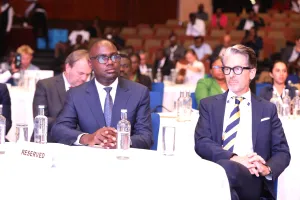
Also present at the meeting were the Permanent Secretary/Secretary to the Treasury at the Ministry of Finance, Planning and Economic Development (MoFPED), Dr. Ramathan Ggoobi, the Executive Director at the Bank of Uganda, Mr. Michael Atingi-Ego, and the Minister of State for Finance (General Duties), Mr. Henry Musasizi.
Both sides discussed strategies that can further strengthen Uganda’s growth trajectory, including support for productive sectors such as manufacturing and agriculture.
Museveni maintained that with deliberate investment in value addition, affordable financing, and lower production costs, Uganda’s economy can accelerate even further in the coming years.


Sunrise reporter
Leave a Comment
Your email address will not be published.